

Living and Working
Culture on La Palma shows itself especially where landscape, work, and life rhythms come together.
Back to La Palma overview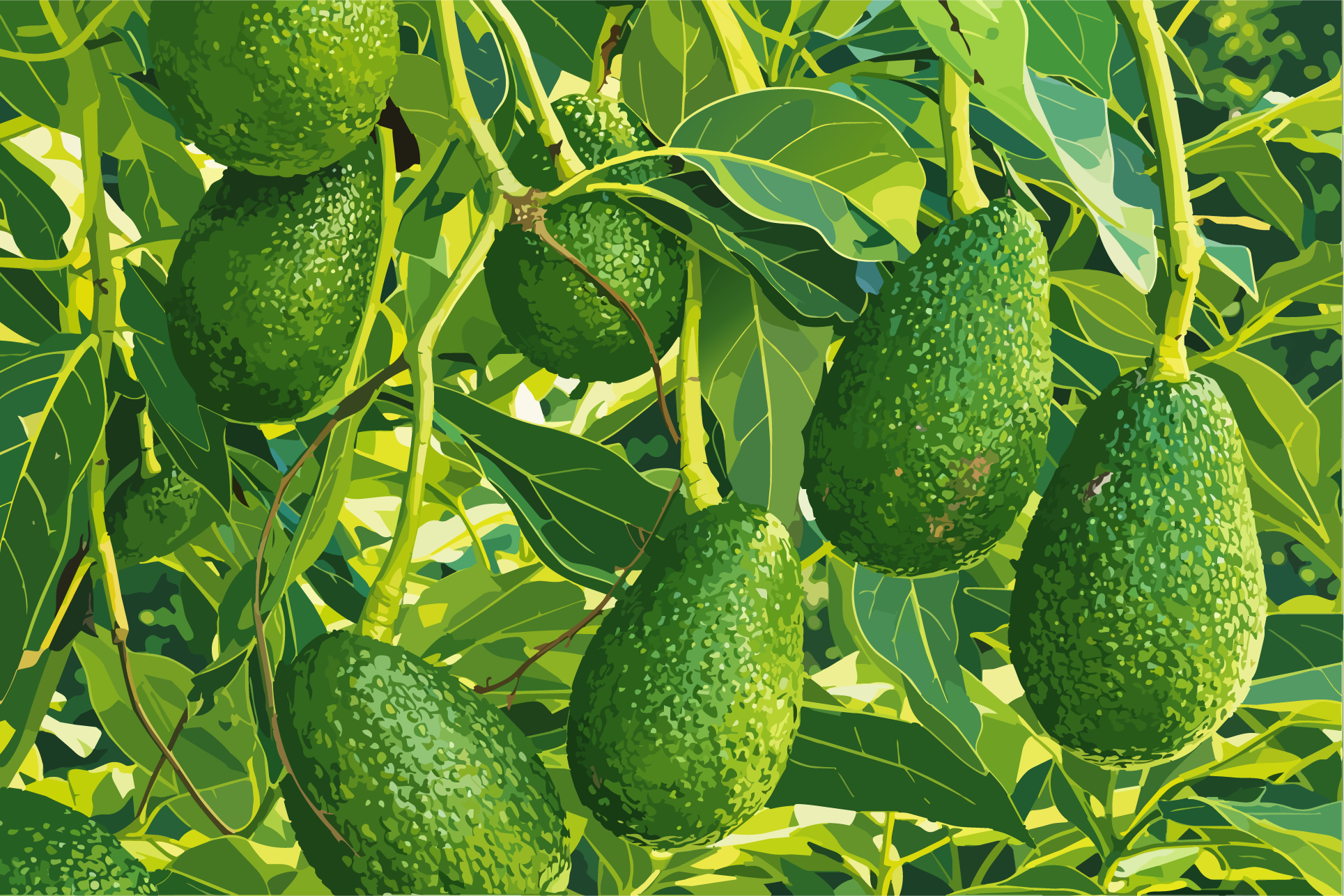
Agriculture and Daily Life.
How cultural landscape, work, and regional routines shape life on La Palma to this day.
Fruits of nature and human adaptation
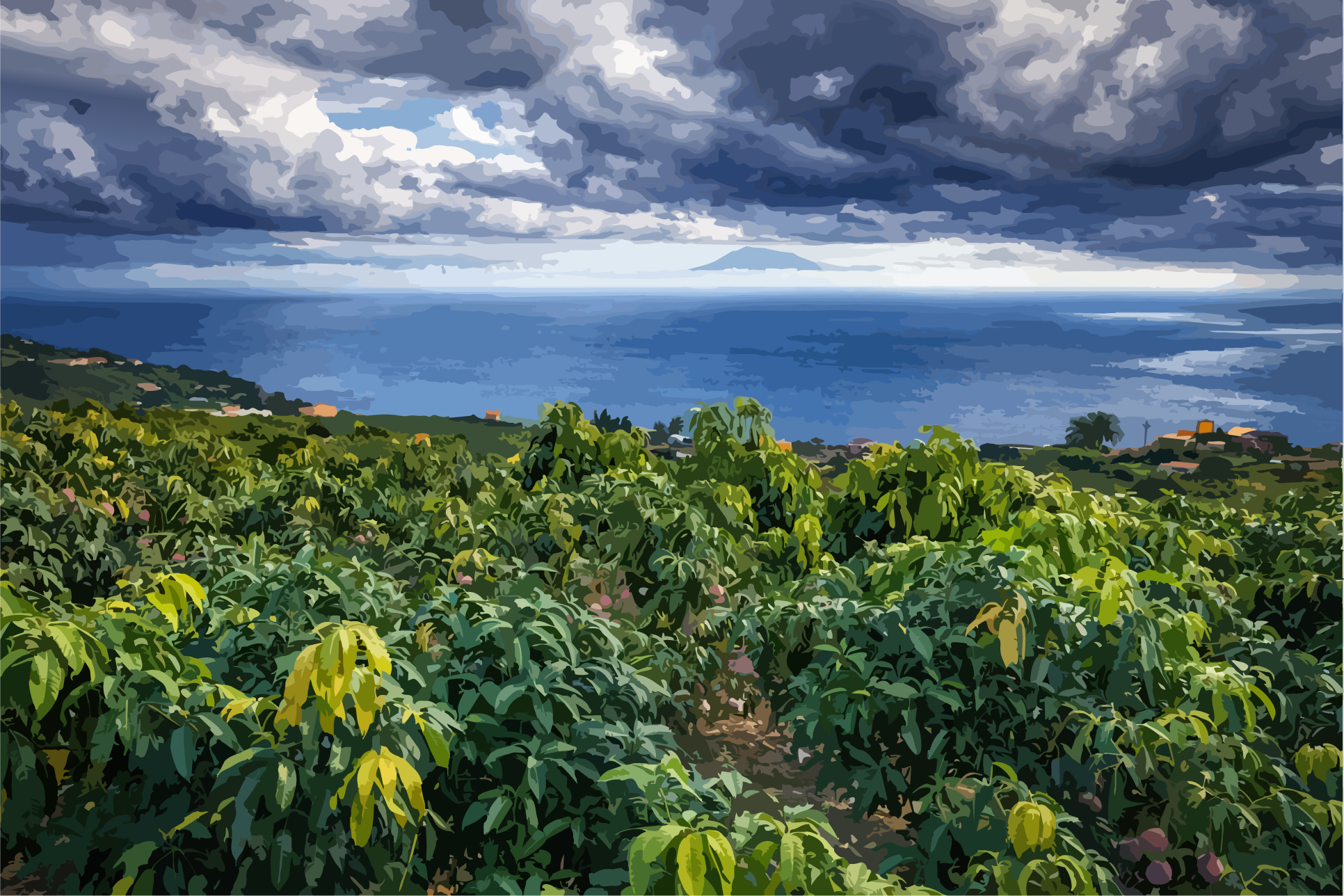
La Palma is an island where everyday life and landscape are inseparably intertwined. Agriculture here is not only an economic activity, but a direct response to topography, climate and water availability. Every terrace, every irrigation system and every field is part of a finely balanced equilibrium between natural conditions and human adaptation.
For centuries, the island has been used for agriculture, with focal points varying strongly according to altitude and exposure. In the humid northeast, smaller plots, mixed cultivation and traditional farming practices dominate, while in the west larger-scale, intensively irrigated plantations have emerged. Banana cultivation in particular shapes large parts of the western coastal areas today and is of central economic importance.
Continuity and adaptation
Water plays a key role in daily life. It is transported from wetter areas to drier regions through an intricate system of canals, tunnels and pipelines. This artificial redistribution is a direct response to the island’s natural imbalances and makes many forms of intensive agriculture possible in the first place.
Daily life on La Palma follows a rhythm strongly shaped by natural conditions. Elevation differences, microclimates and seasonal variations influence work processes as much as the distances between settlements. Even short distances can mean entirely different climatic realities, which is directly reflected in planning and ways of living.
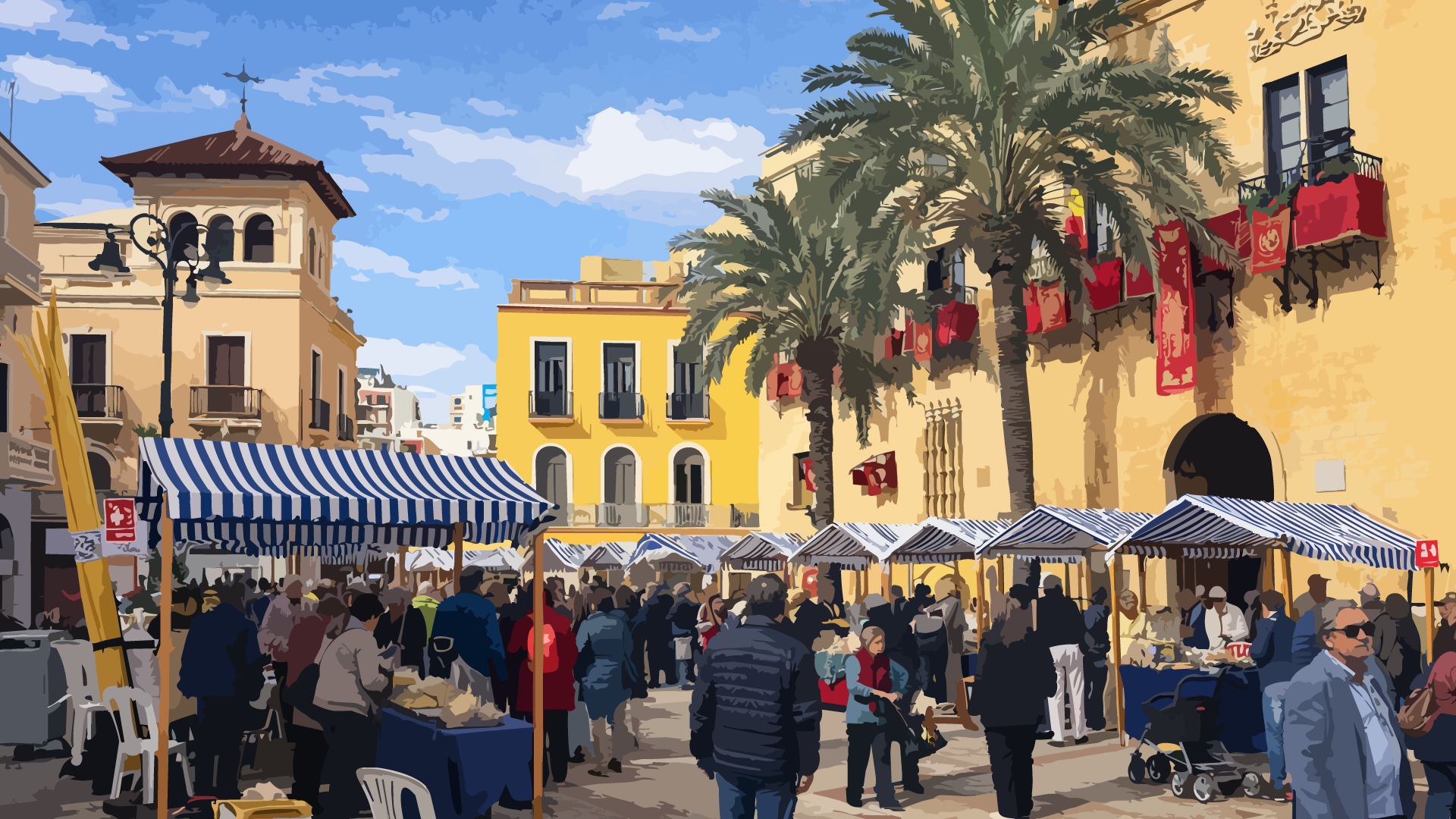
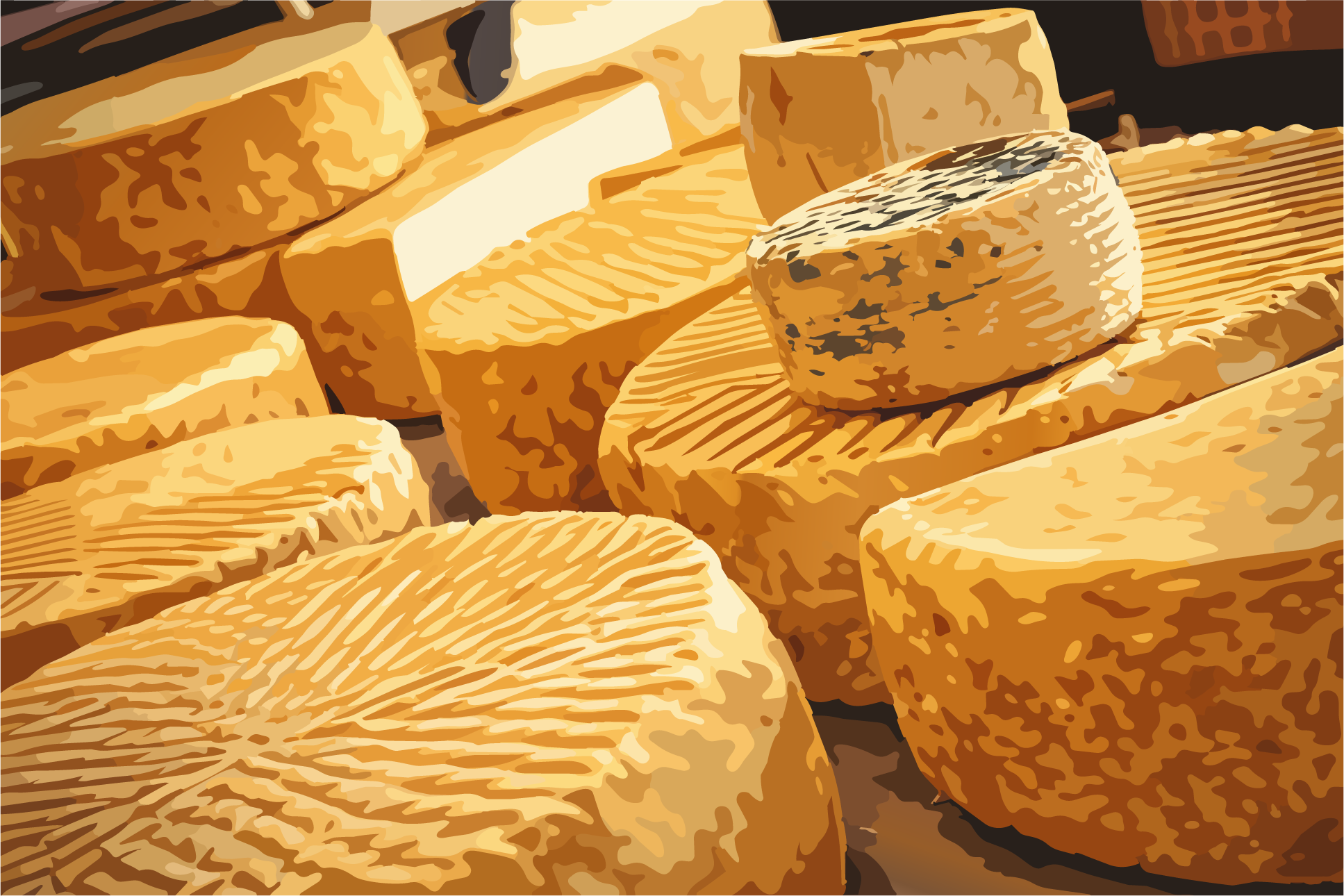
Alongside agriculture, local markets, crafts and small-scale services play an important role. Many communities maintain a close connection between production and local consumption, which has helped preserve a comparatively slow-paced, regionally rooted everyday life. Tradition and modern infrastructure often coexist here without fully displacing one another.
Thus, an everyday life emerges that is strongly shaped by adaptation—not as a sign of scarcity, but as a continuous alignment with the island’s conditions. Agriculture and life on La Palma are therefore an expression of a permanent dialogue between humans, water and volcanic soil.