Where the Atlantic Shapes the Landscape
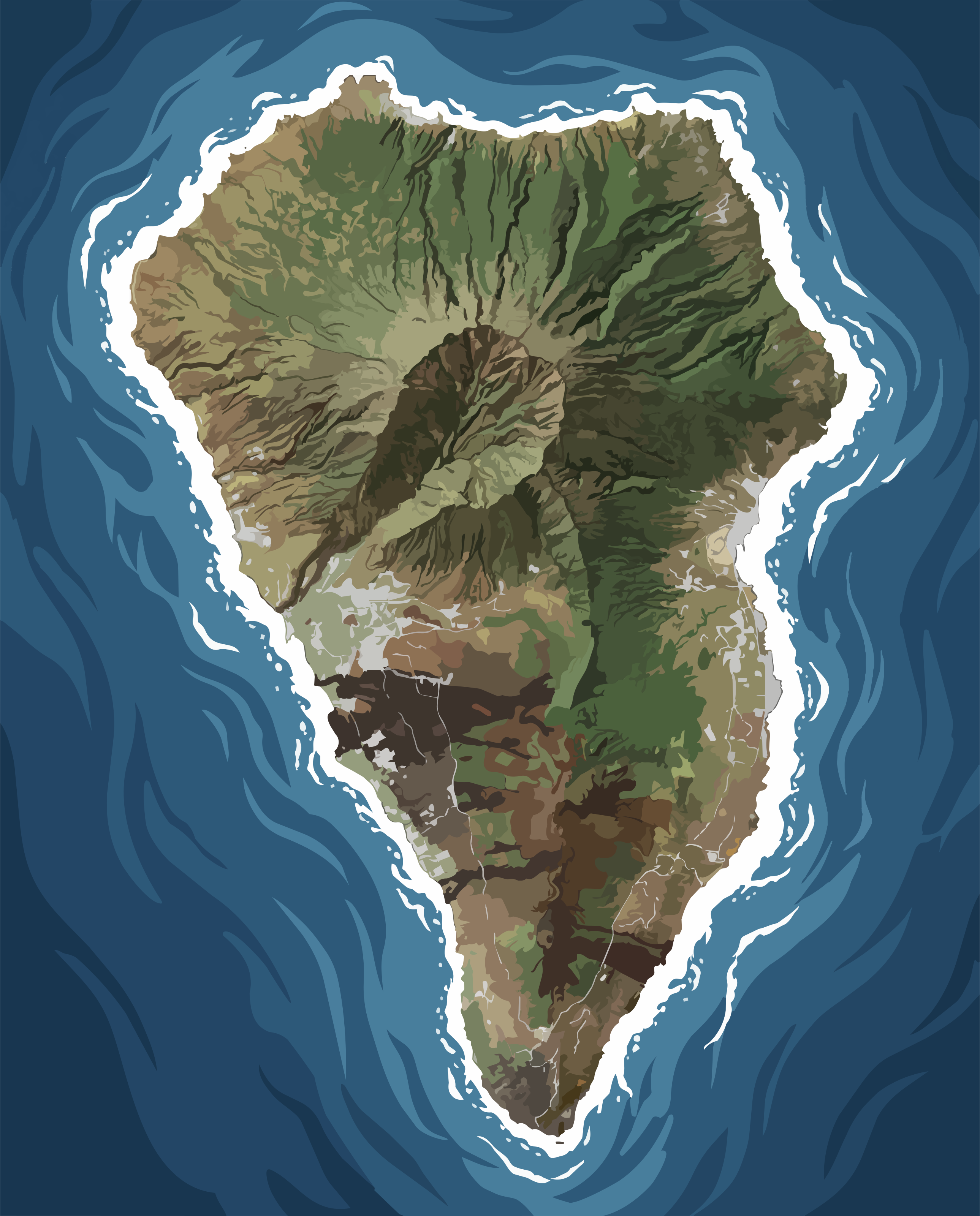
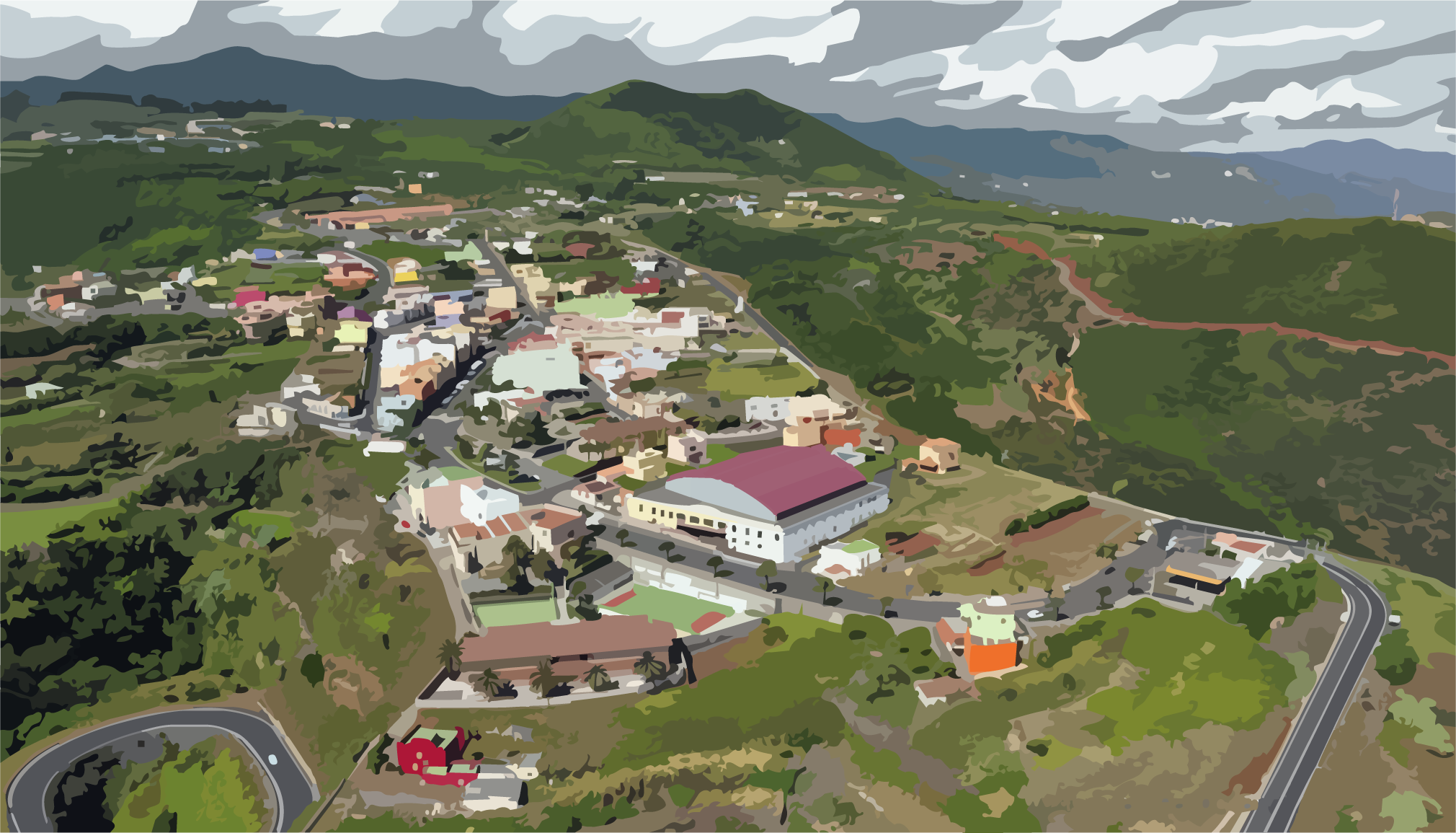
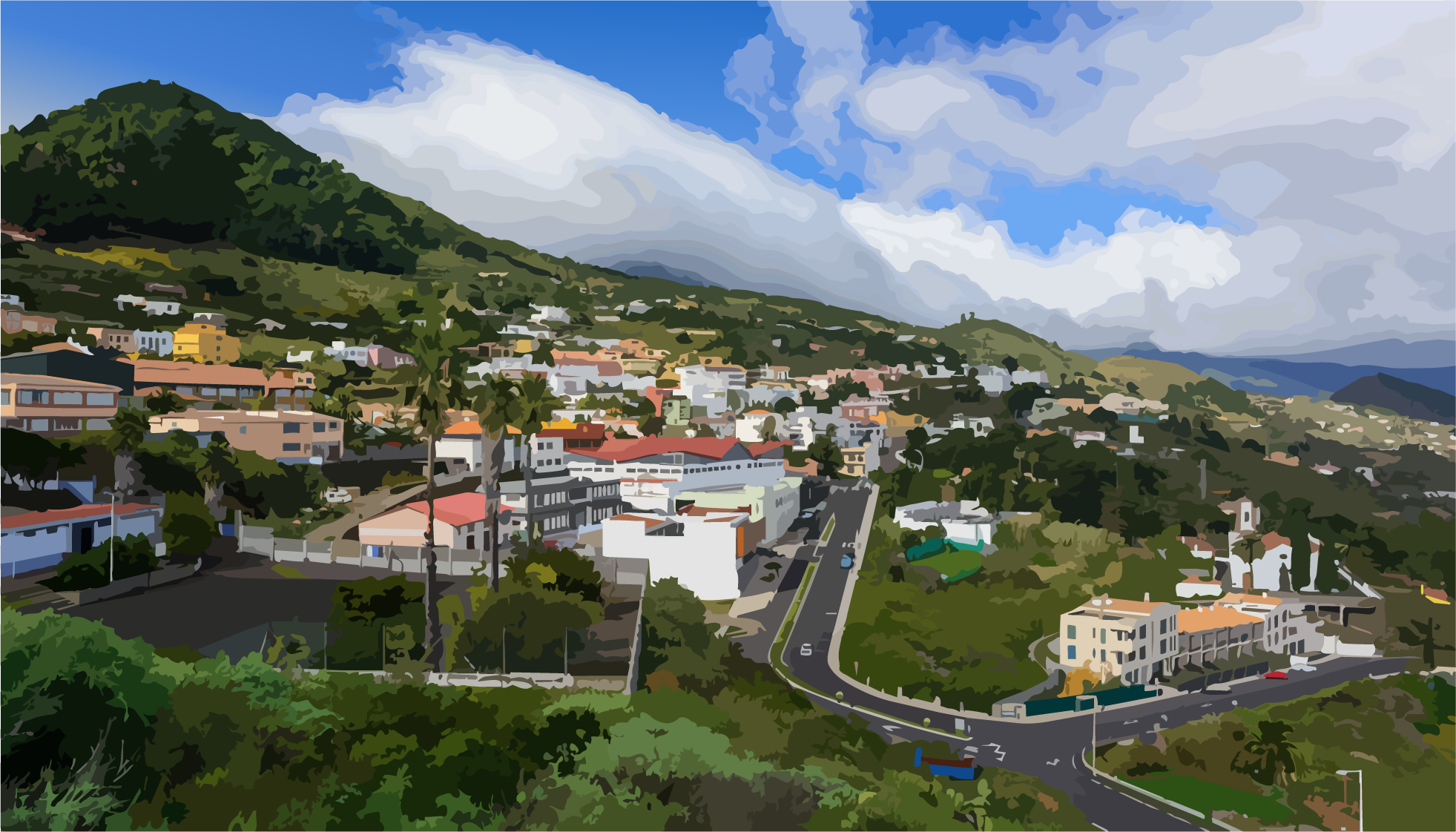
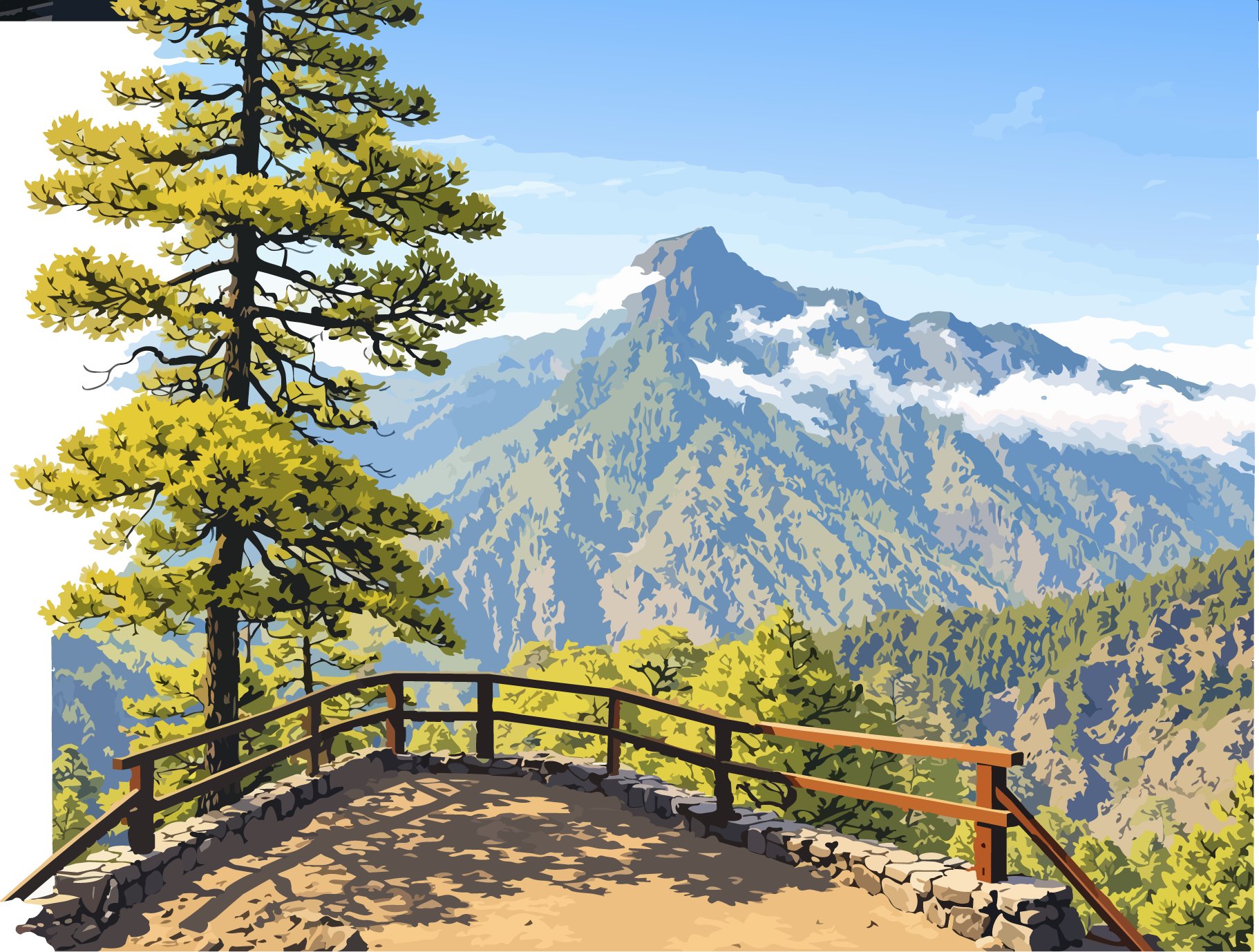
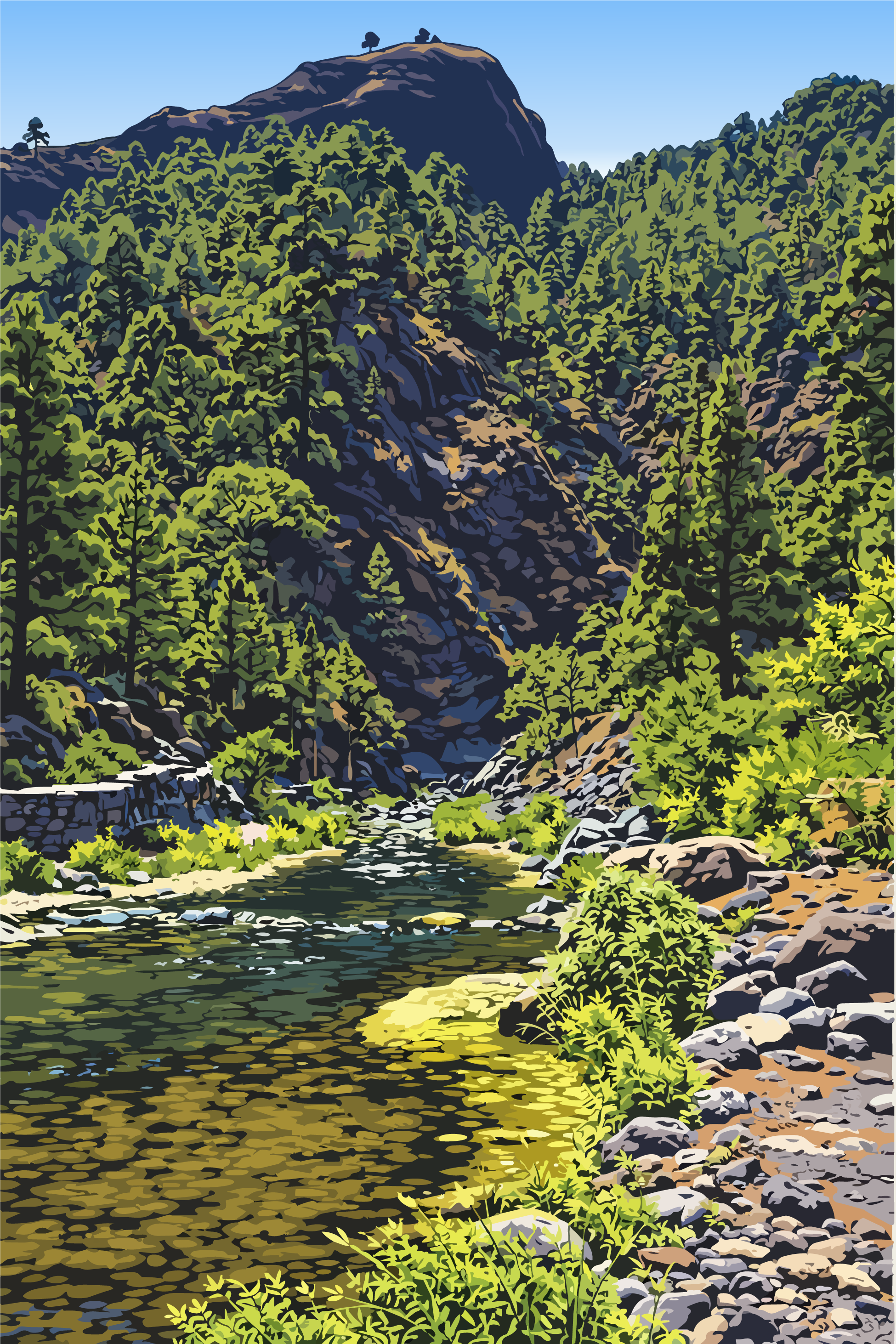
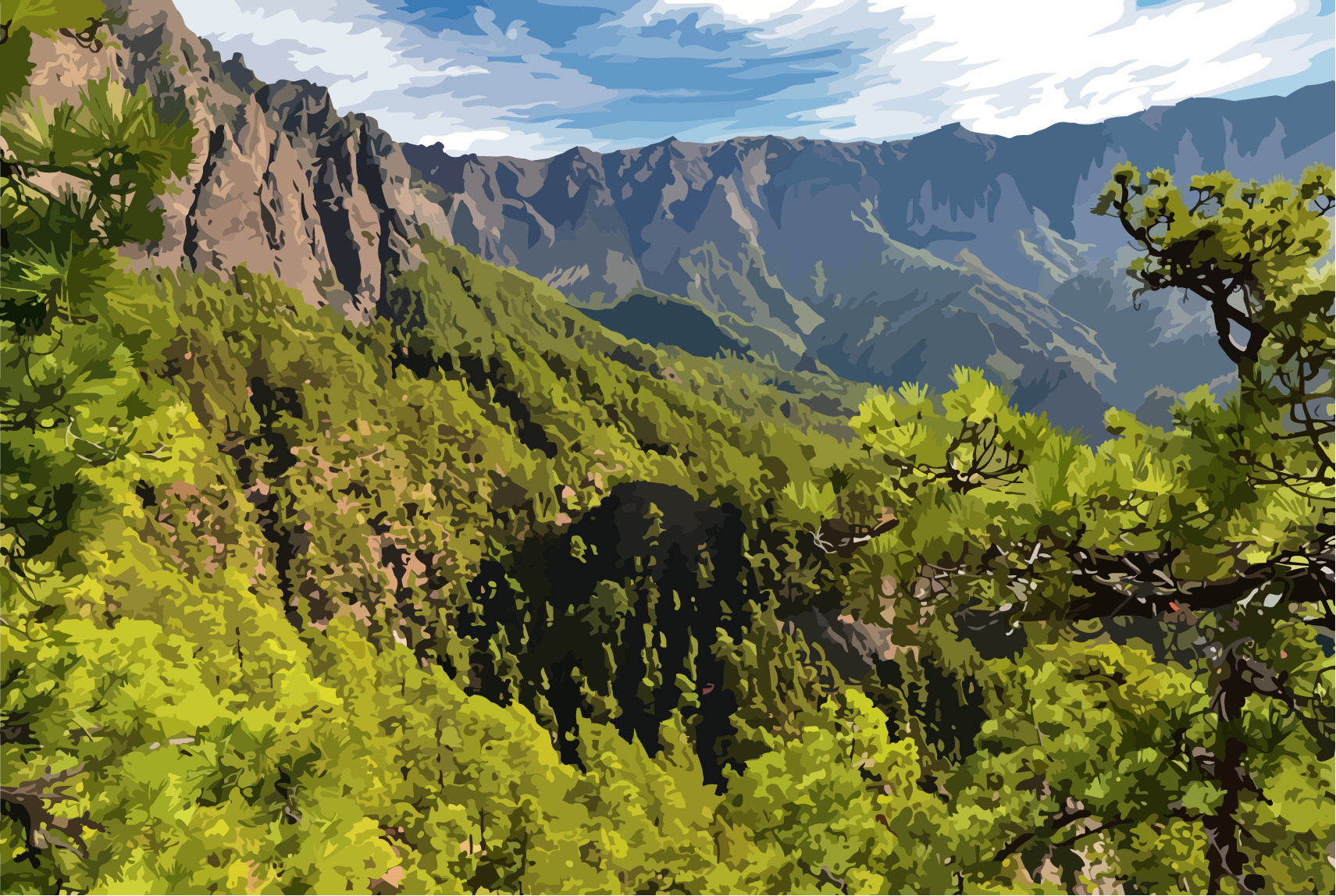
Northeastern La Palma is the greenest part of the island. Here, the moisture-laden trade winds first encounter the island's steep slopes and are forced to rise. Warm Atlantic air transforms into clouds, mist, and regular rainfall, creating the defining character of the entire region. Water is not a scarce resource here, but a constant presence—visible in lush vegetation, moss-covered hillsides, and deeply incised barrancos that have shaped the landscape over thousands of years.
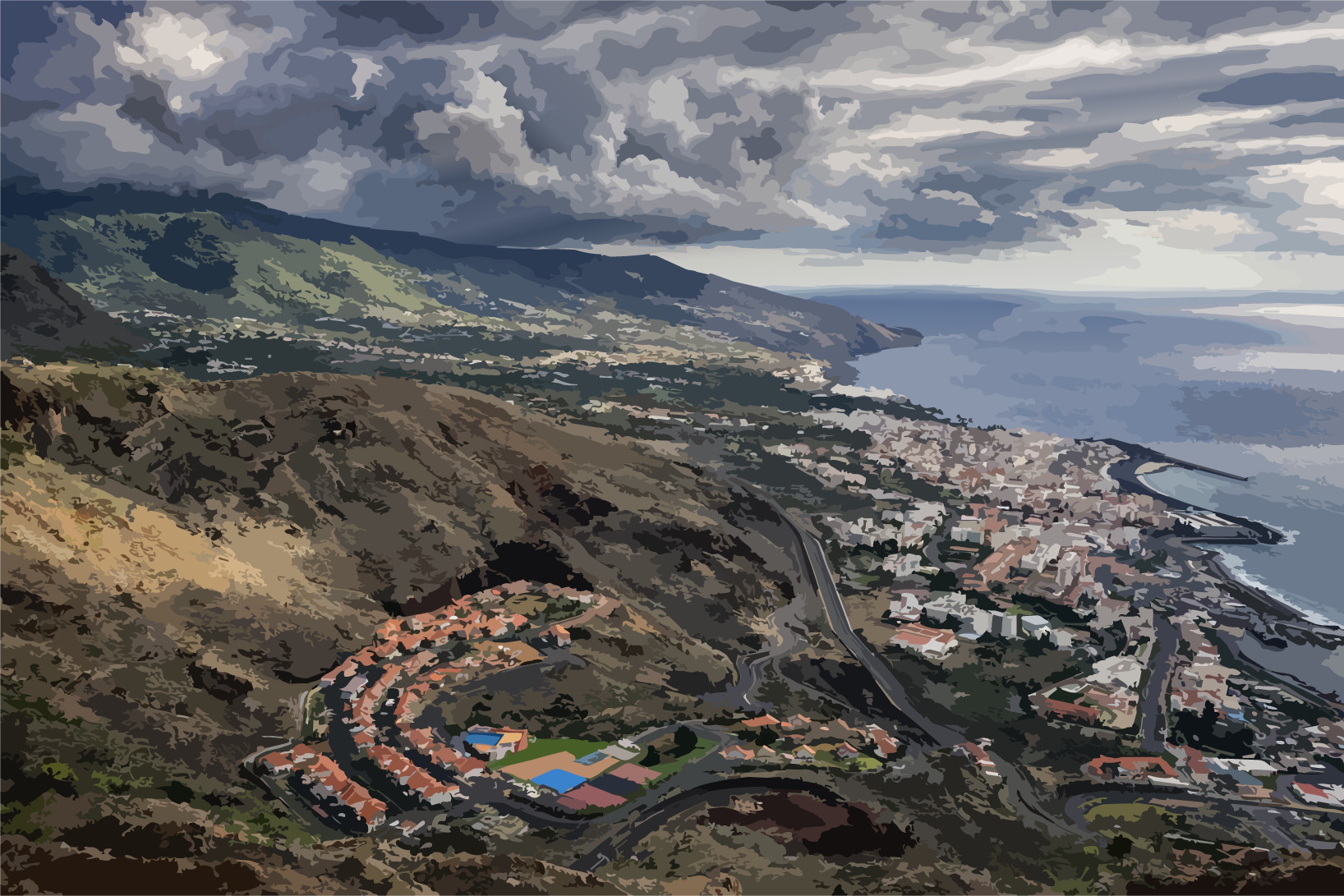
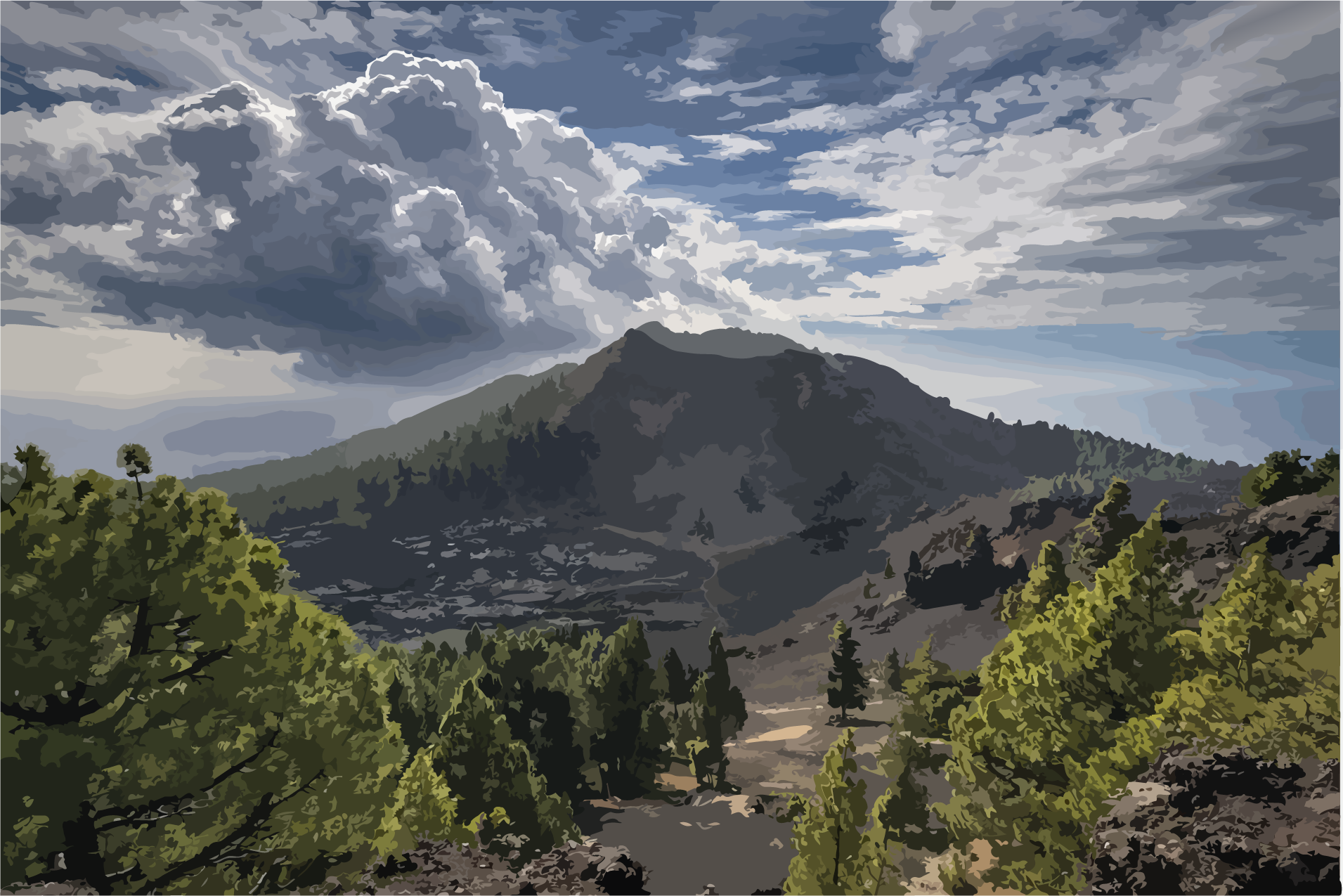
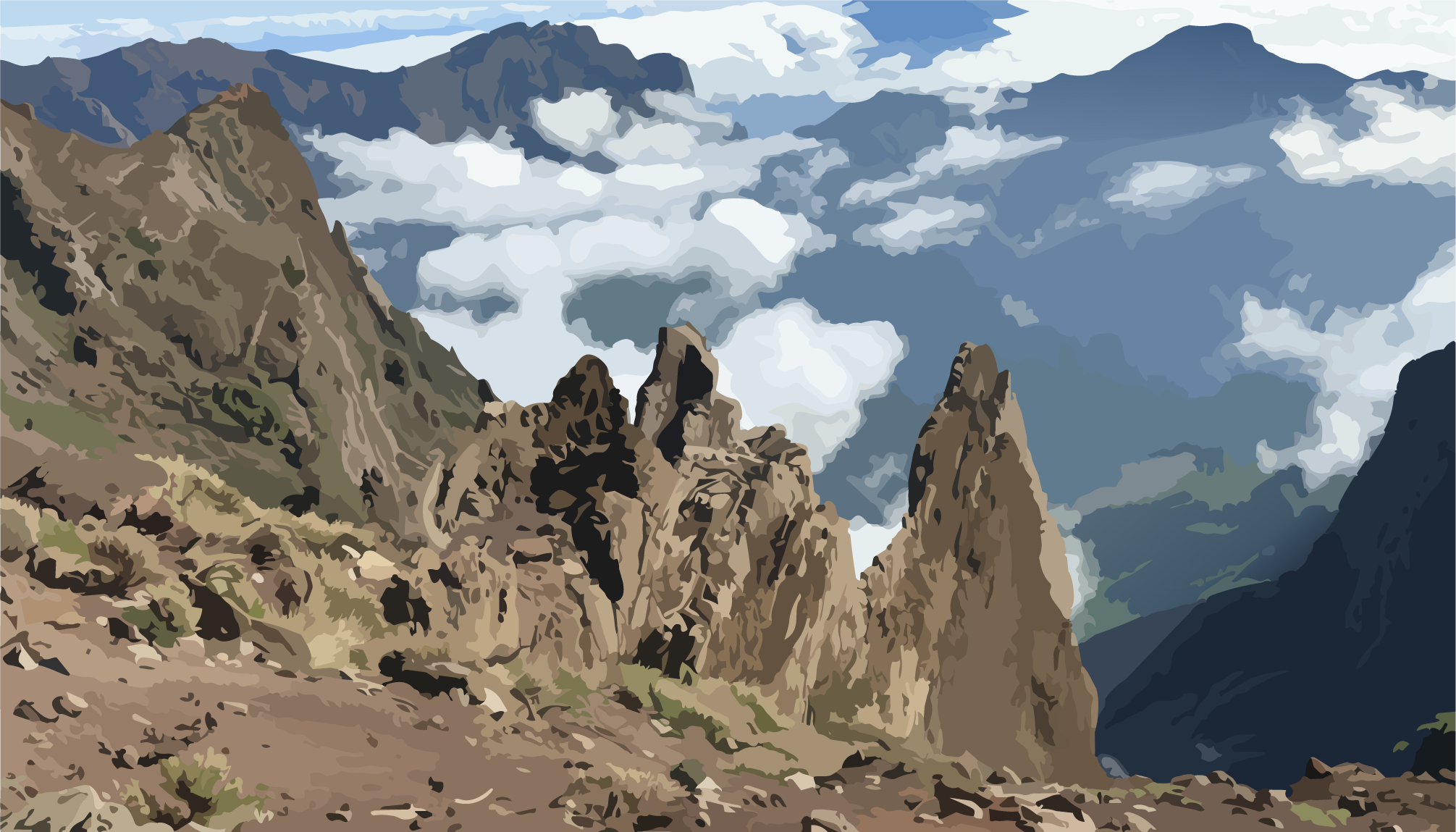
The mountains act as a natural filter. They slow the moist air masses arriving from the Atlantic and create an extraordinary variety of microclimates within remarkably short distances. While the coastal areas are often characterized by sunshine and salt-laden sea air, only a few hundred meters higher, cooler temperatures, drifting cloud banks, and significantly higher humidity become the defining conditions. These transitions occur with surprising speed and give the region its remarkable landscape diversity.
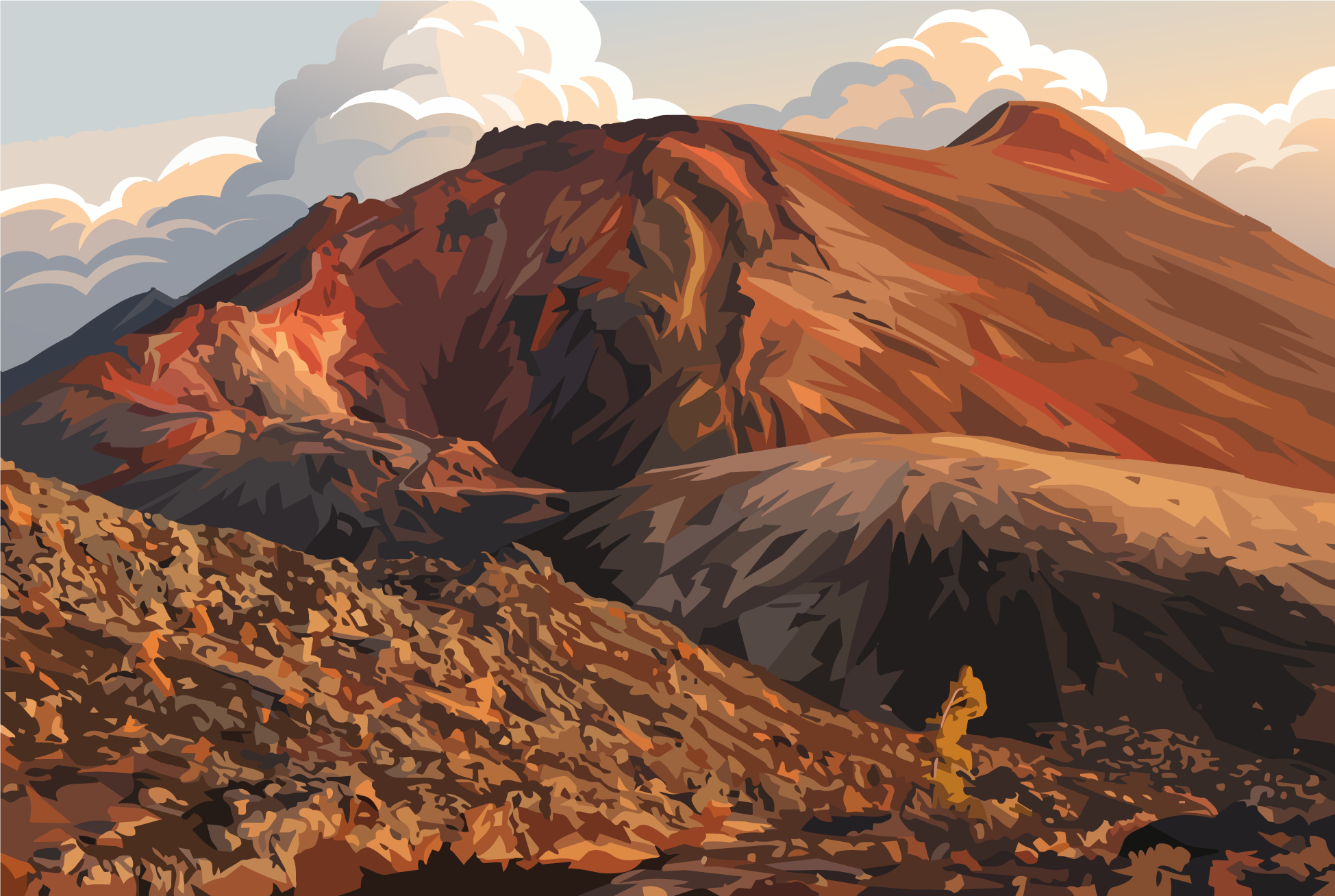
Geologically, the northeast is shaped by ancient volcanic formations whose basalt has weathered over long periods into fertile soils. In the more humid uplands, additional organic material accumulates, forming soils with excellent water-retention capacity. At the same time, the terrain remains demanding. The steep slopes are particularly vulnerable to erosion, especially where natural vegetation has been removed or surface water is allowed to flow unchecked.
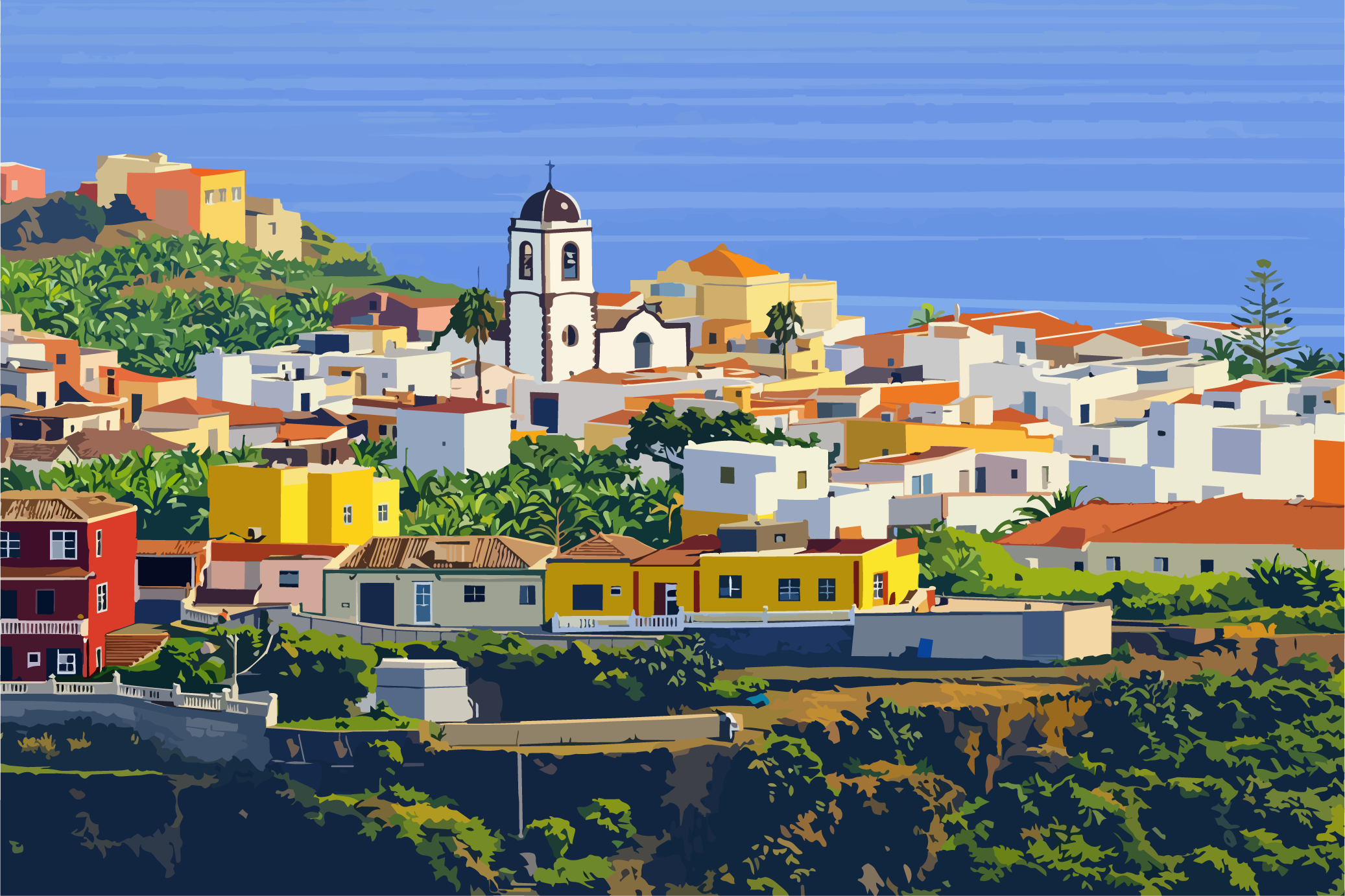
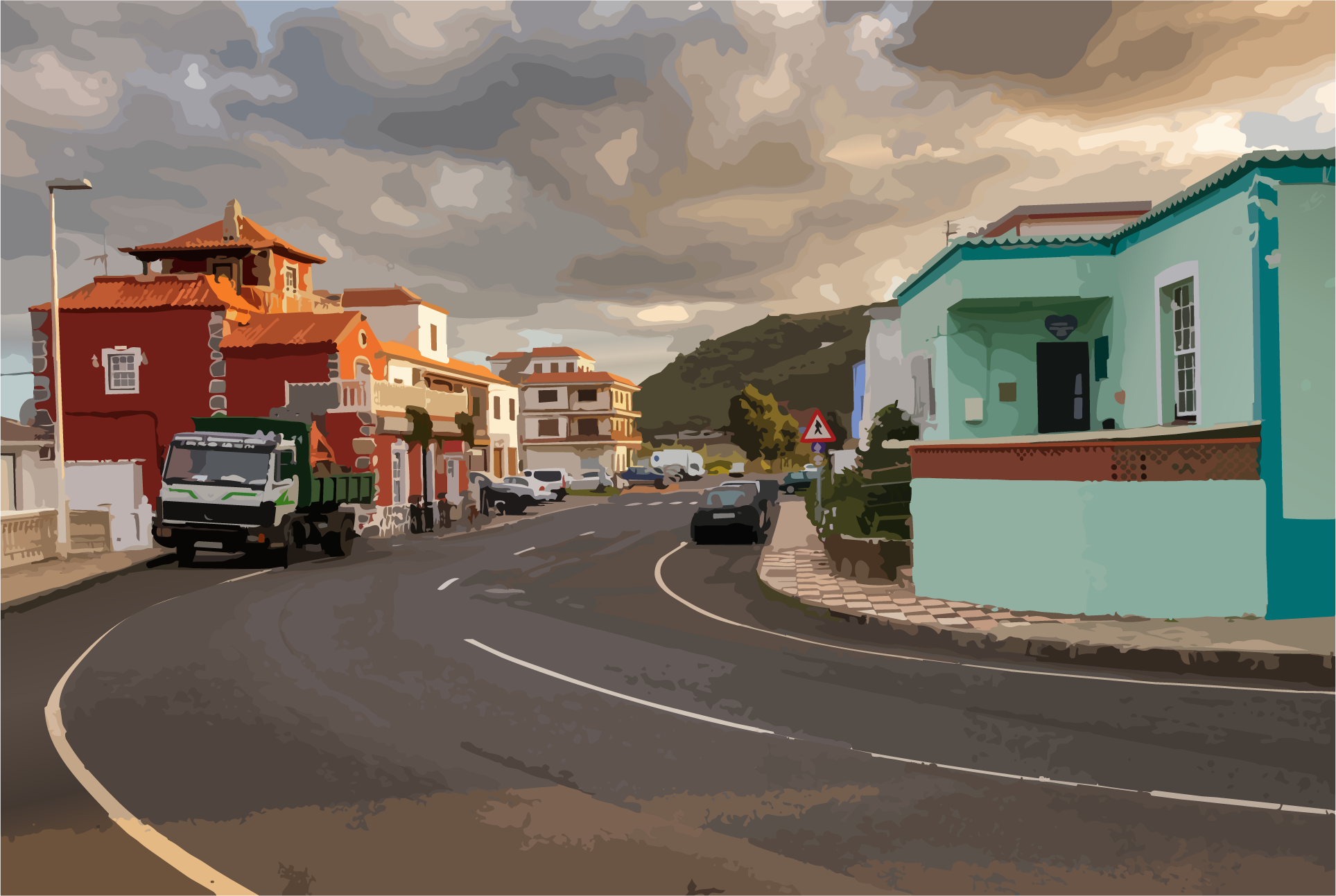
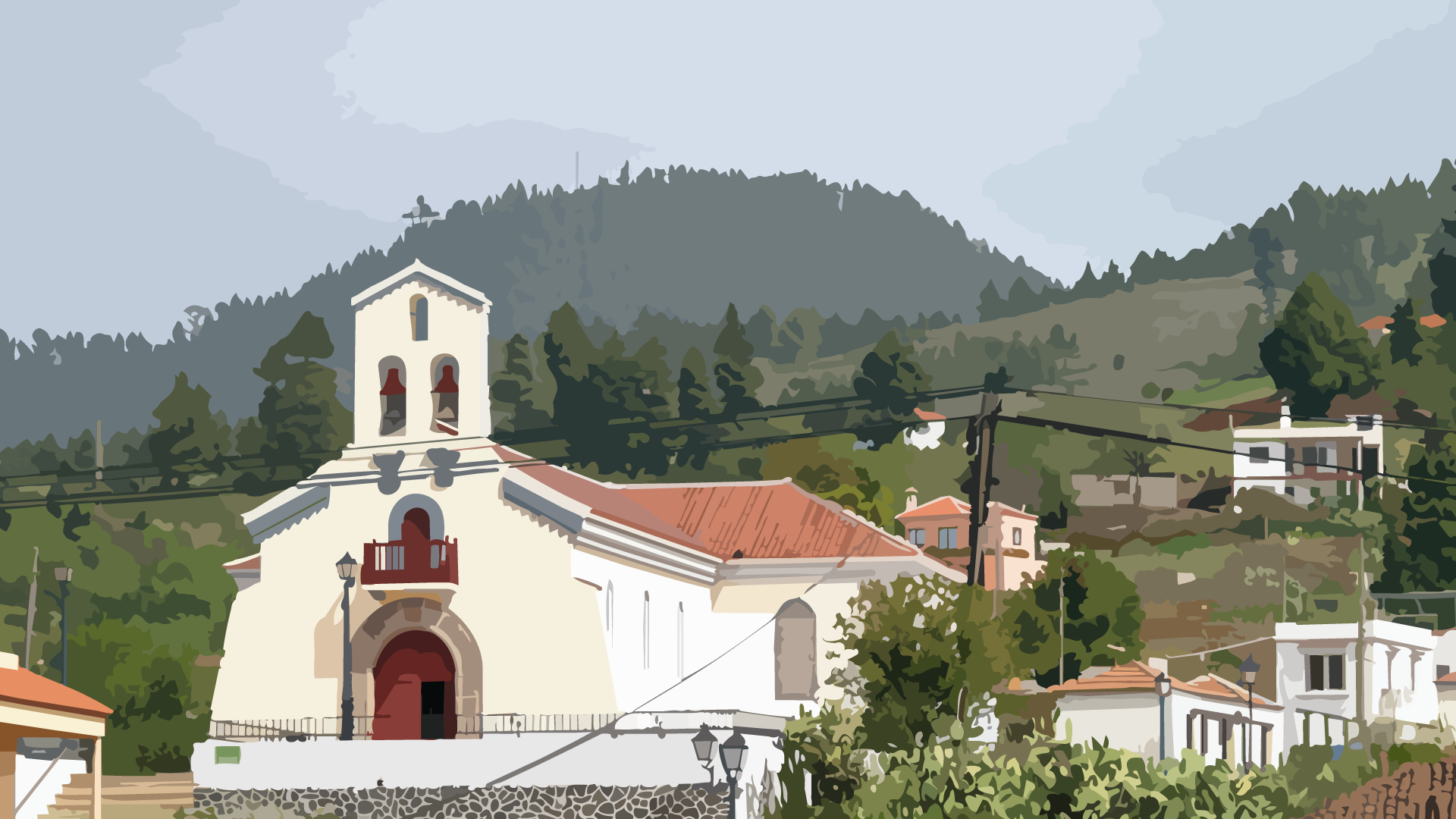
The landscape therefore follows its own logic. Agriculture, settlements, and transport routes have adapted to the natural conditions rather than reshaping them. Terraces divide the hillsides, roads follow the contours of the terrain, and every parcel of land is defined by its exposure to the sun, its elevation, and its access to water. Few regions on the island illustrate so clearly how closely climate, geology, and human land use are interconnected.
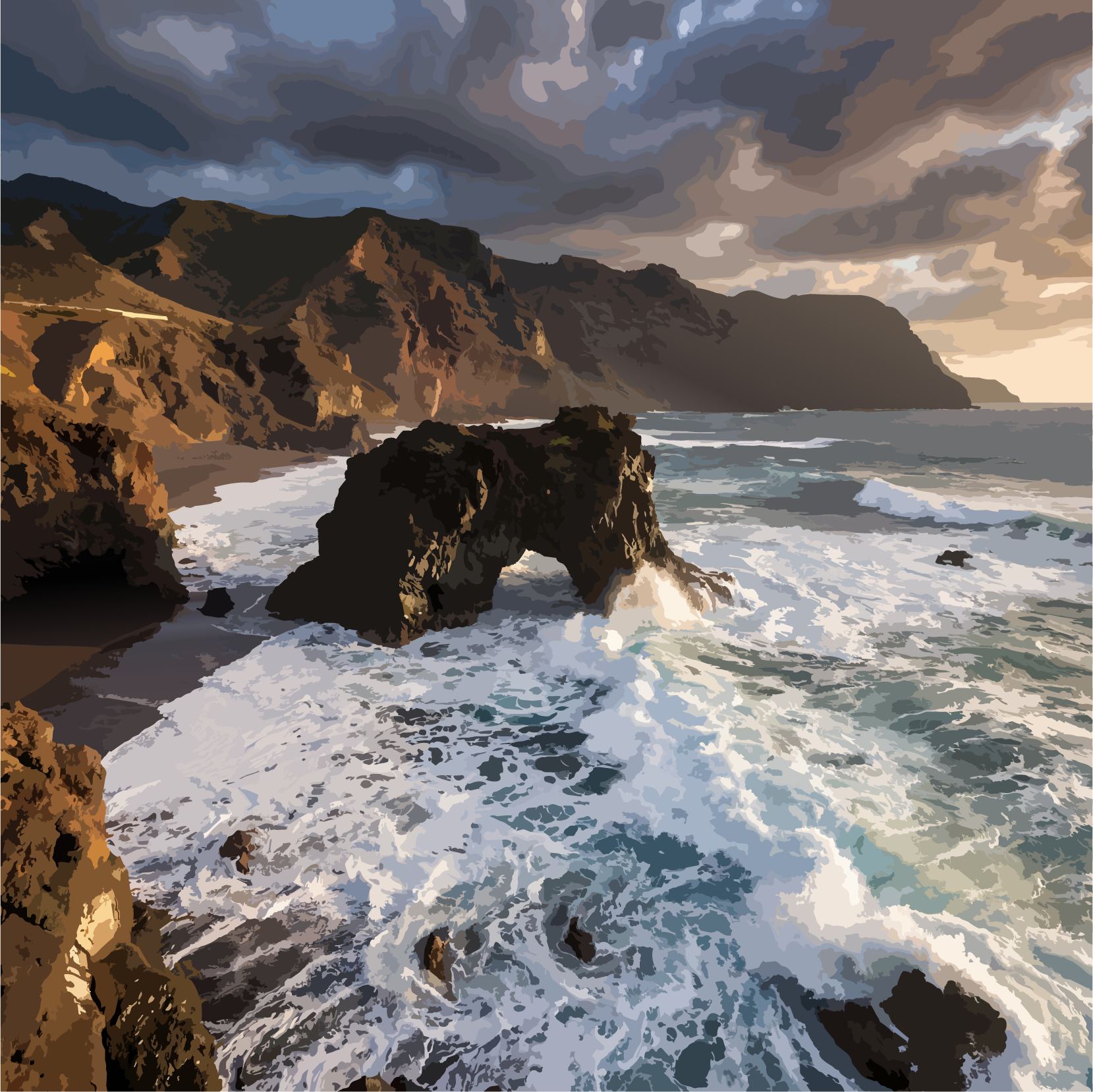
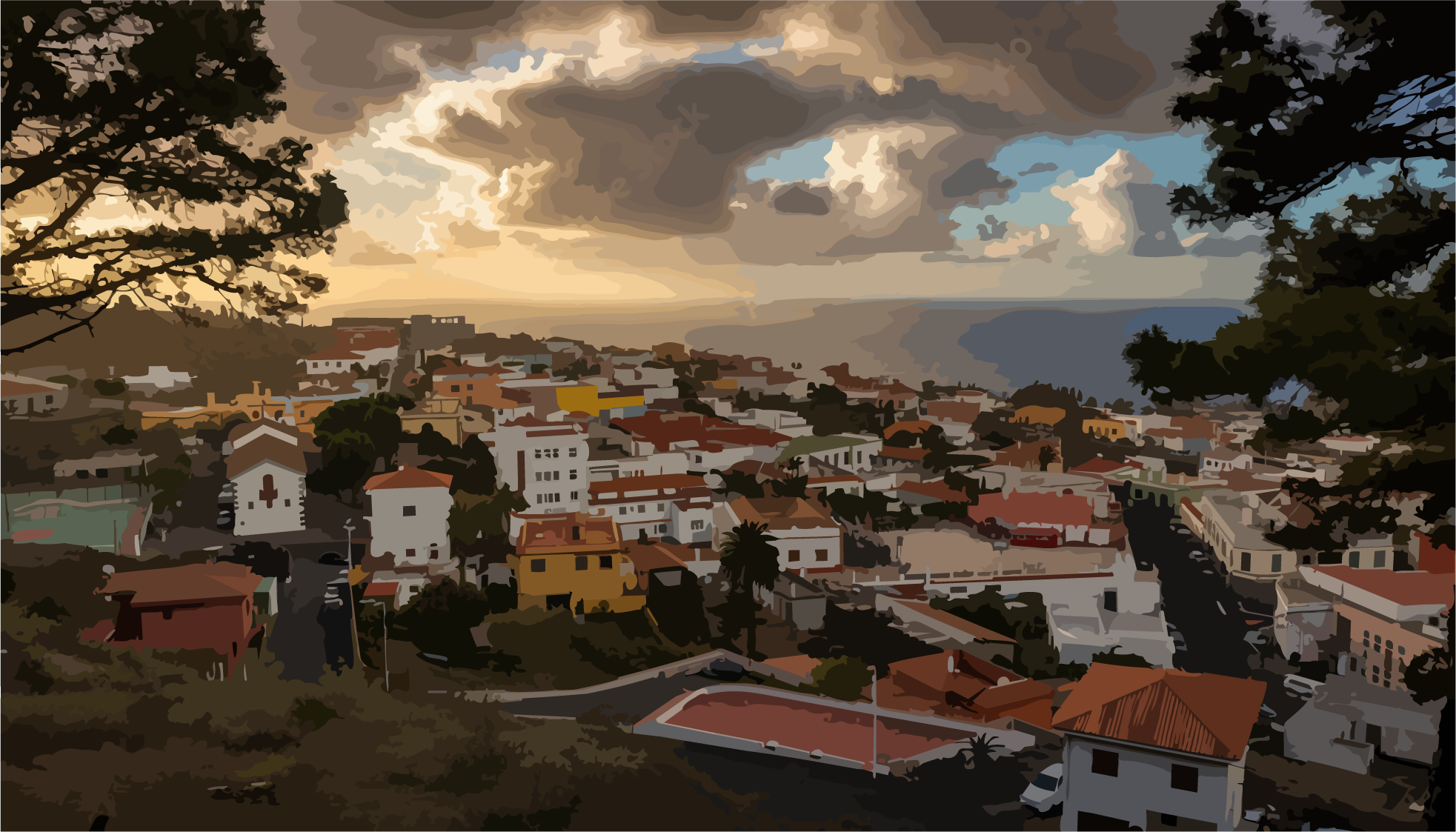
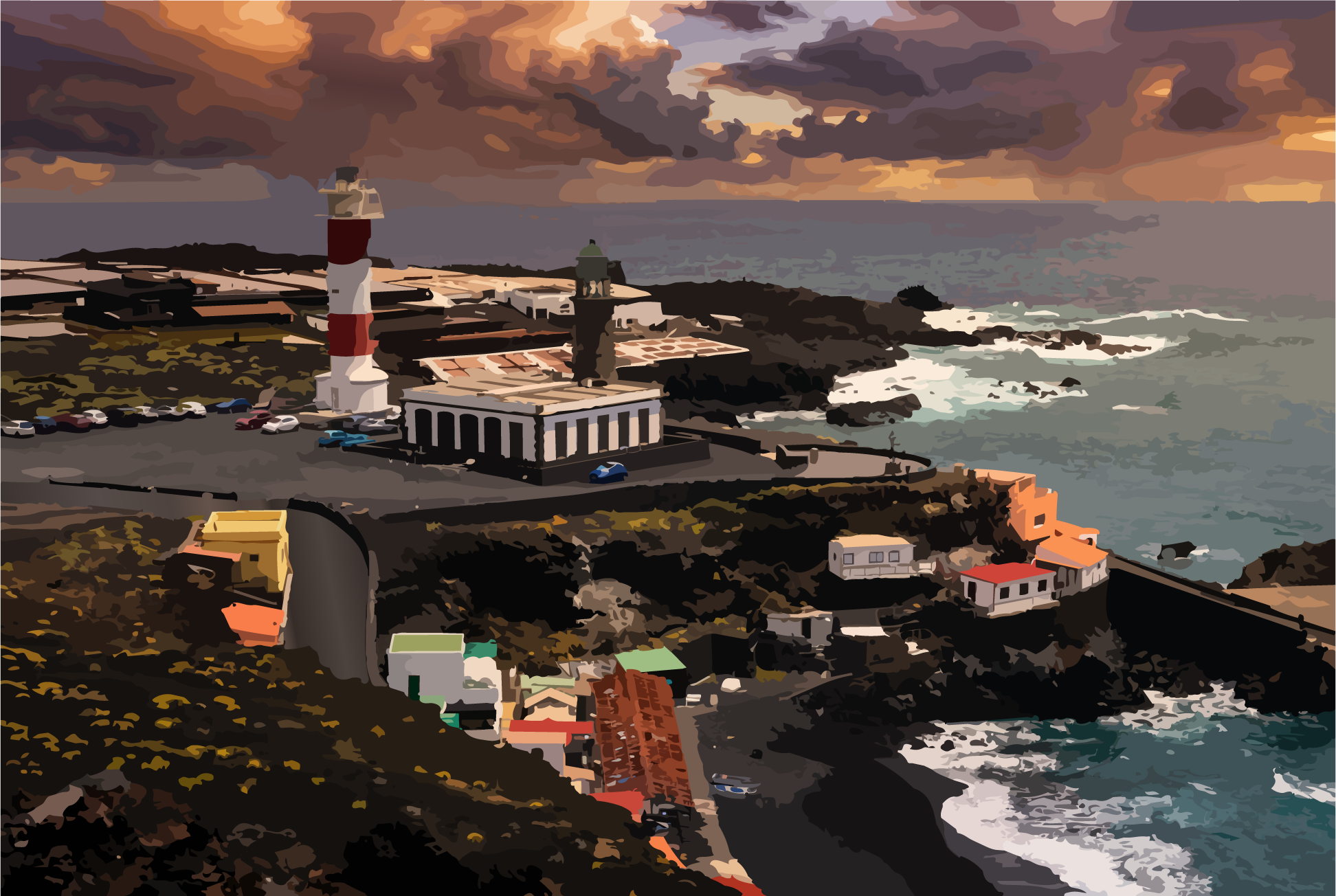
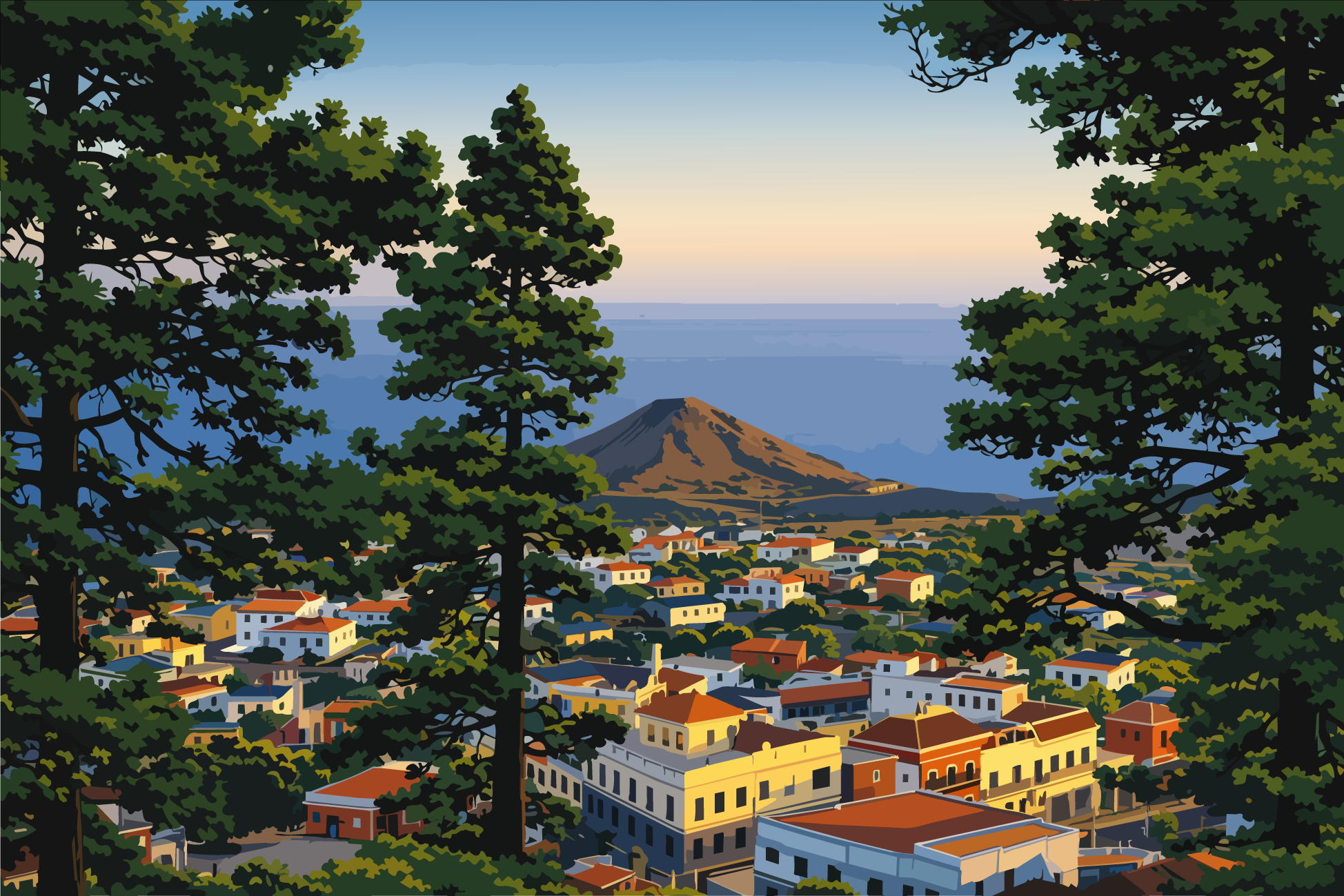
Despite its apparent consistency, the region is far from uniform. Between the coast and the mid-elevation slopes, light, temperature, and vegetation change within short distances. Views of the Atlantic repeatedly open up before the landscape closes again into dense vegetation and humid forests. It is precisely these continuous transitions that give the northeast its distinctive atmosphere—a landscape that impresses not through isolated landmarks, but through the harmonious interplay of water, topography, and time.