Stories and Legends
The historical layers of La Palma explain why today’s centers, paths, and economic forms developed the way they did.
Back to La Palma overview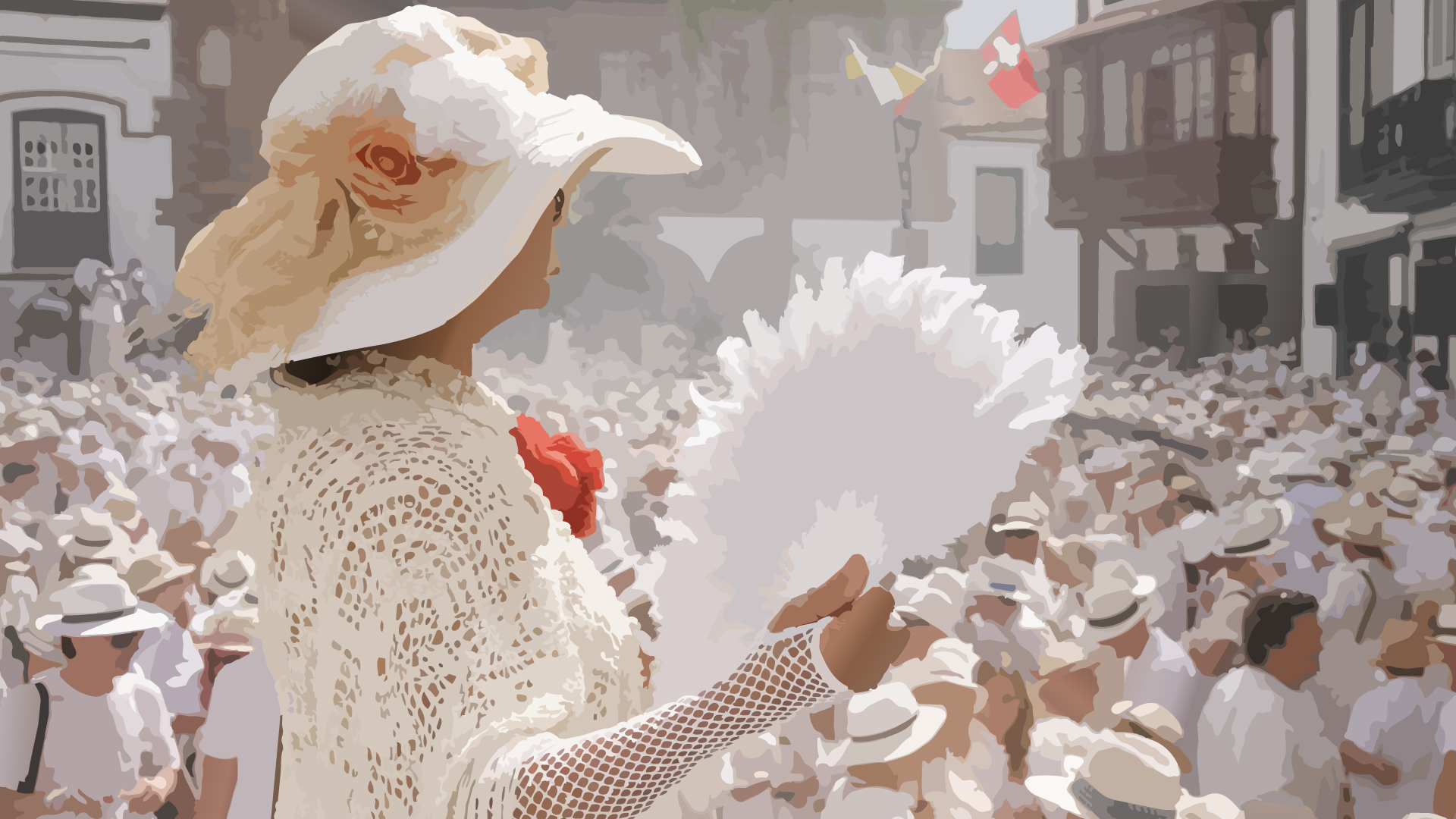
Stories of the Island.
From Benahoaritan roots to Atlantic routes: why the past is still visible today.
Historical timeline context
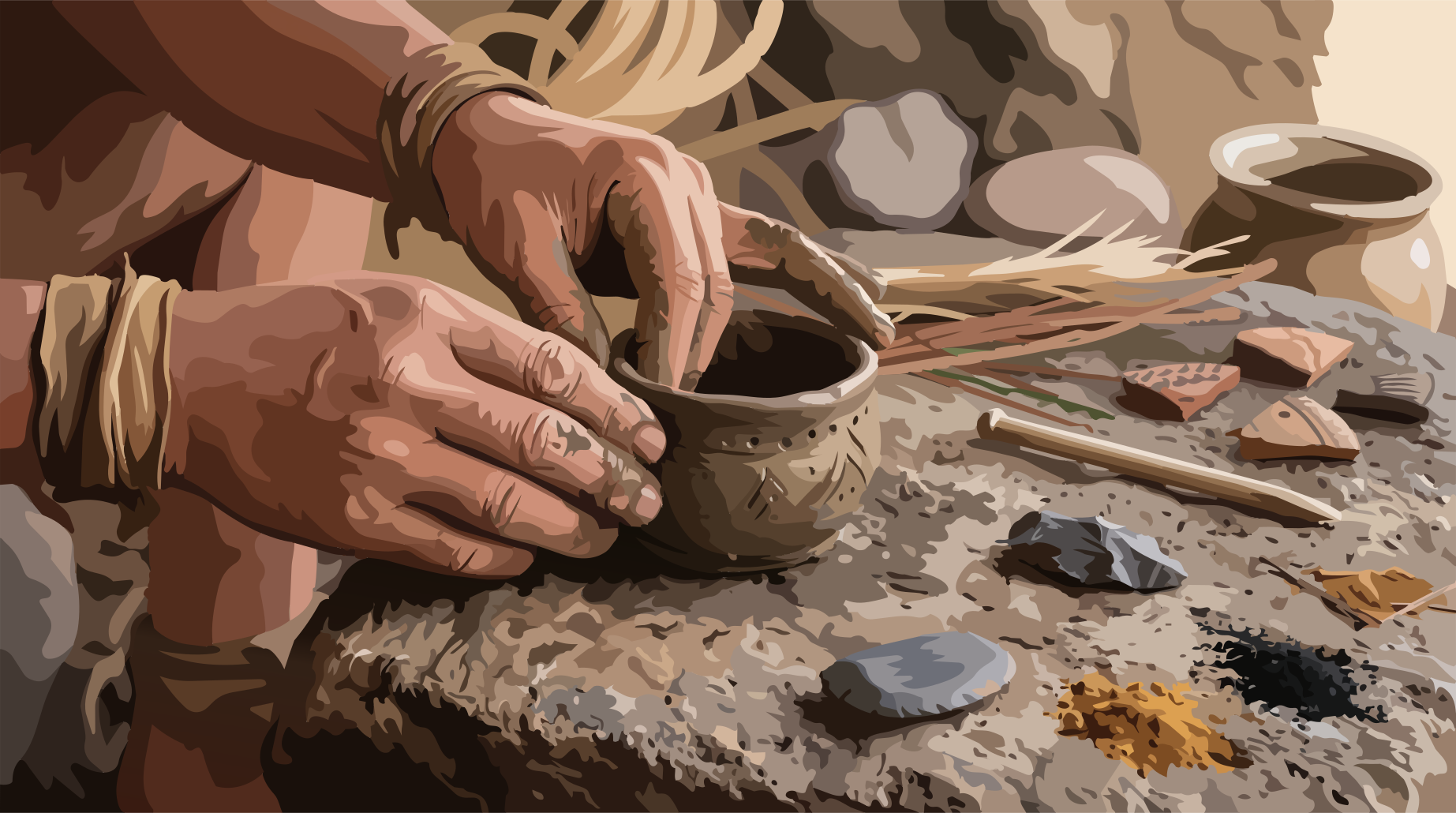
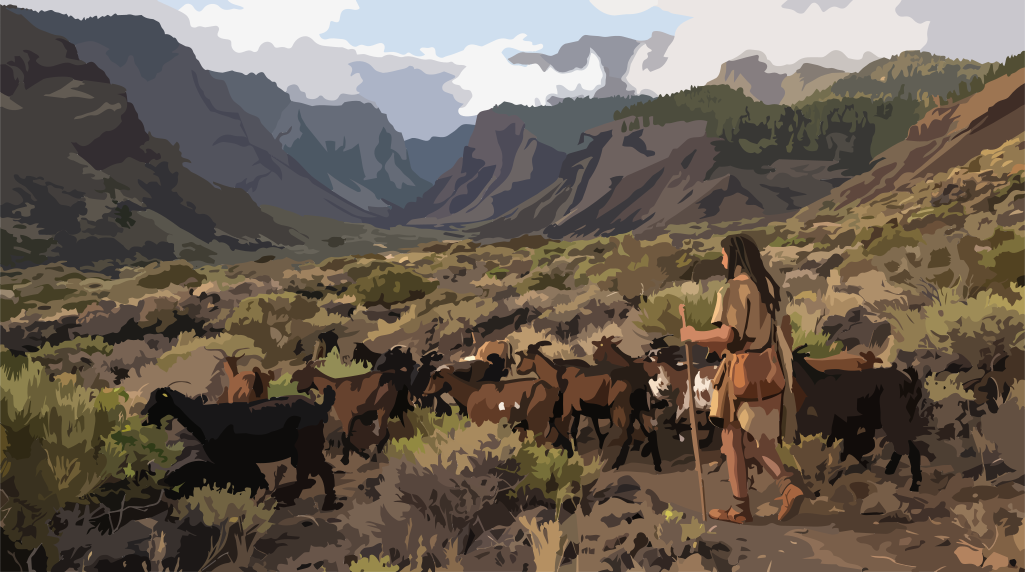
La Palma is an island whose history is not told through clear breaks, but through layers of arrival, adaptation and new beginnings. Long before colonial chronicles described it, it already existed as a space of volcano, forest and ocean—inhabited by the indigenous people of the Canary Islands, the Benahoaritas, whose traces still resonate today in caves, petroglyphs and ancient settlement sites.
With the Castilian conquest in the 15th century, a new era in the island’s history began. Towns were founded, ports expanded, and La Palma became an important stopover in Atlantic trade between Europe and the New World. Santa Cruz in particular developed into one of the most significant ports in the Canaries, through which goods, ideas and people circulated between continents.
Economic prosperity and social tensions
This period brought prosperity, but also conflict and dependency. Agricultural structures were reorganized, and sugar cane and later wine shaped the island’s economic development. At the same time, its strategic position in the Atlantic repeatedly led to attacks and piracy, placing the island in a field of tension between trade and threat.
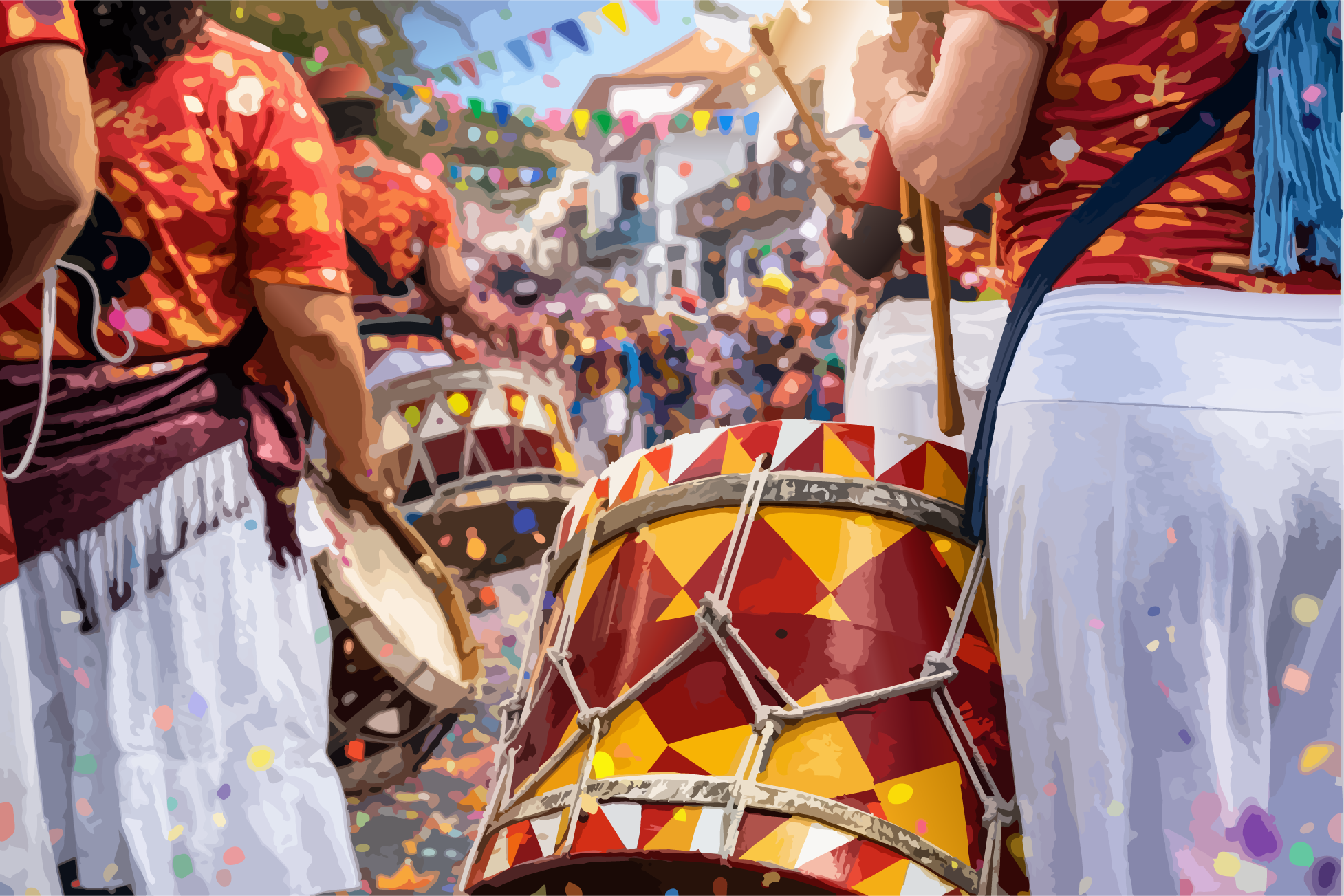
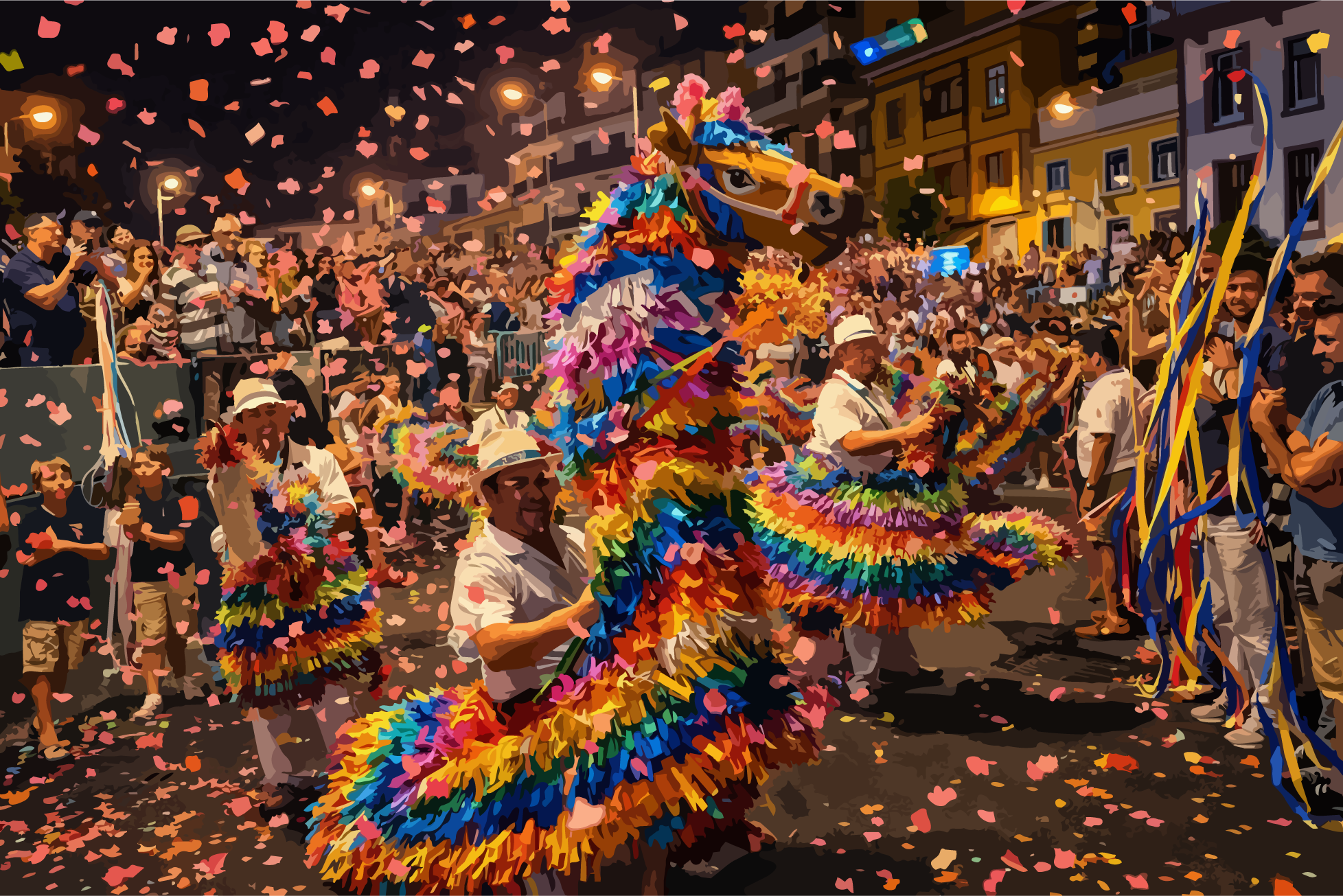
In the 19th and 20th centuries, La Palma increasingly became an island of emigration. Many inhabitants left for Latin America, especially Cuba and Venezuela. These transatlantic connections continue to shape culture, language and identity to this day—visible, for example, in the Carnival of Los Indianos, which celebrates the imagined return of emigrants.
At the same time, the island remained closely tied to its physical landscape. Volcanic eruptions, erosional processes and agricultural change shaped not only the environment but also the living conditions of its inhabitants. History here is never detached from geology, but always embedded within it.
Thus, a multilayered historical fabric emerges in which personal memories, colonial past and natural dynamics intertwine. The history of La Palma is not a linear narrative, but an ongoing dialogue between people and island—shaped by movement, loss and continual new beginnings.