

The Volcano as a Neighbor
Volcanism on La Palma is no distant past, but part of the present and planning.
Back to La Palma overview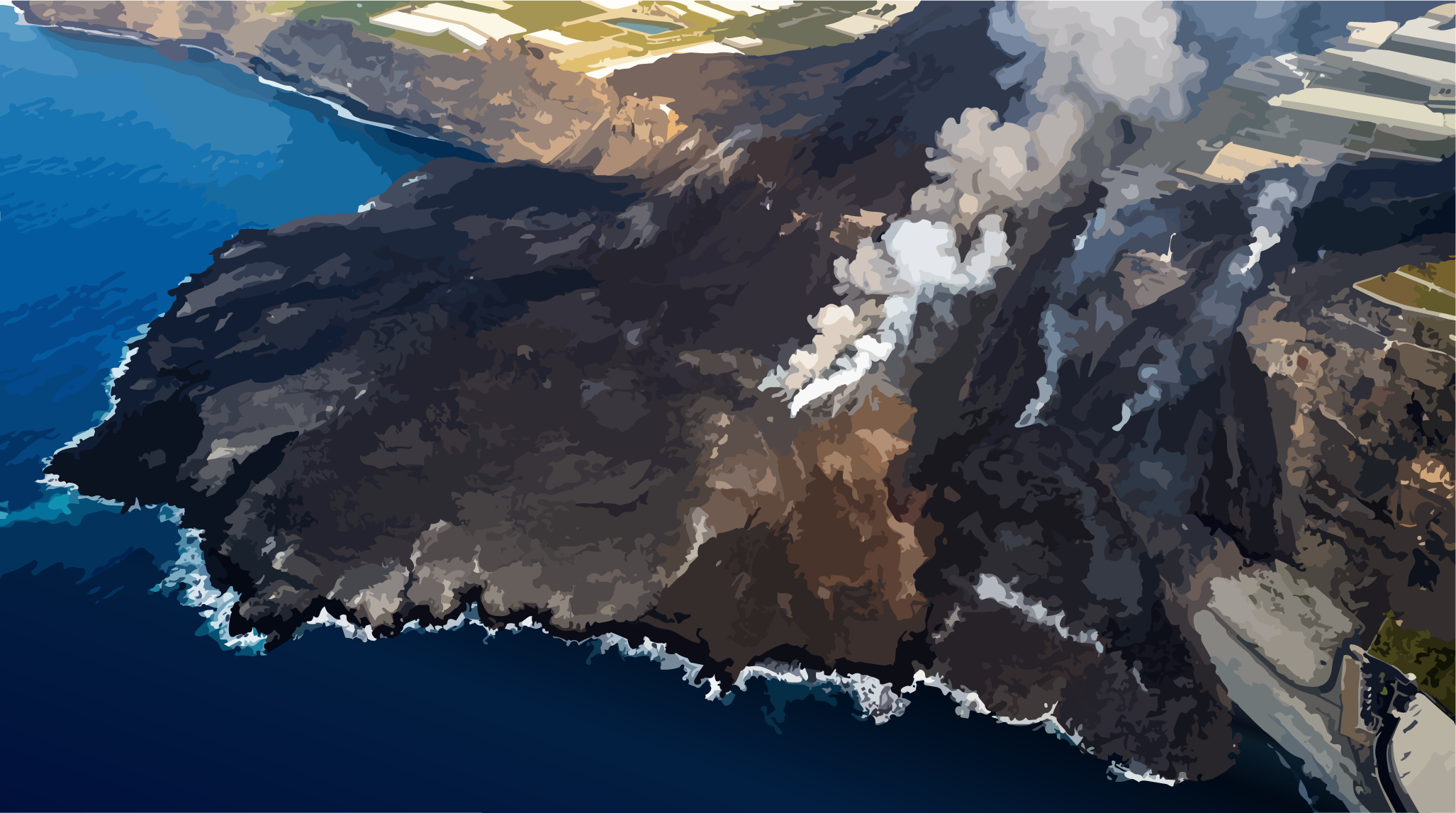
Living with the Volcano.
The Tajogaite showed that change is part of the island - and its history.
The blessing and burden of volcanic activity
La Palma is an island where the volcano has shaped not only the landscape but also the way people think. Here, geological force is not an abstract phenomenon, but an experience that has become embedded in memory, storytelling and everyday life across generations. On this island, to live has always meant living with an awareness of change.
Volcanic activity has repeatedly created new landscapes while reshaping older ones. Over time, glowing lava became soil on which plants once again took root, paths emerged and settlements found new orientations. This continual cycle of destruction and renewal is not an exception, but part of the island’s historical reality.
View of the Tajogaite volcano in the south of La Palma
With every eruption, not only geographical boundaries shift, but also human perspectives. Houses, fields and roads can lose their familiar surroundings within a short time or become integrated into an entirely new landscape. At the same time, each period of calm allows a new generation to grow up in a landscape that is already continuing to evolve.
Despite this constant dynamism, a remarkably stable balance has emerged. The island’s inhabitants have learned to live with unpredictability rather than to control it. Adaptation has become less a reaction than a cultural attitude—a quiet understanding that the landscape is never truly permanent.
In this way, a unique form of coexistence between people and the Earth has developed. The volcano is not only a threat, but also the source of fertile soil, new land and long-term renewal. From this tension grows a relationship shaped by respect, experience and a deep familiarity with change.
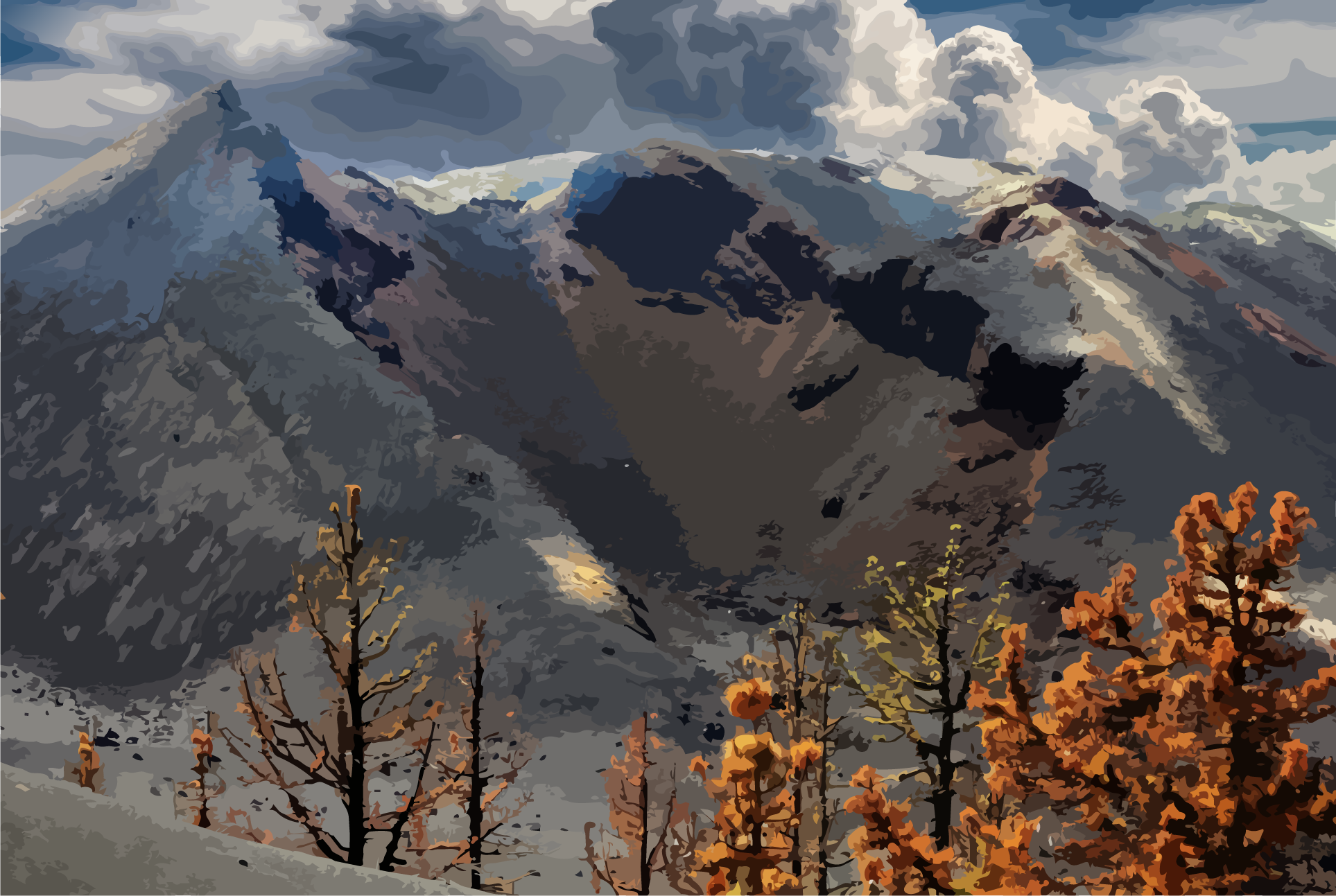
La Palma thus embodies a rare form of continuity through transformation. Living with the volcano does not mean escaping it, but understanding it as part of everyday reality—a force that not only destroys, but continually creates new possibilities.
Southern volcanic corridor
Fuencaliente, San Antonio, and Teneguia are central reference points for island volcanism.
Planning in these areas benefits from robust, context-specific technical strategies.
In practice, this means integrating geodynamics, maintenance, and infrastructure planning over long time horizons.
Exposure, young substrates, and selective accessibility call for highly tailored operational models.
Effective southern planning must assume continuous change rather than static land conditions.