

La Palma's Wildlife
Biodiversity here arises from the interplay of many small, strongly distinct habitats.
Back to La Palma overview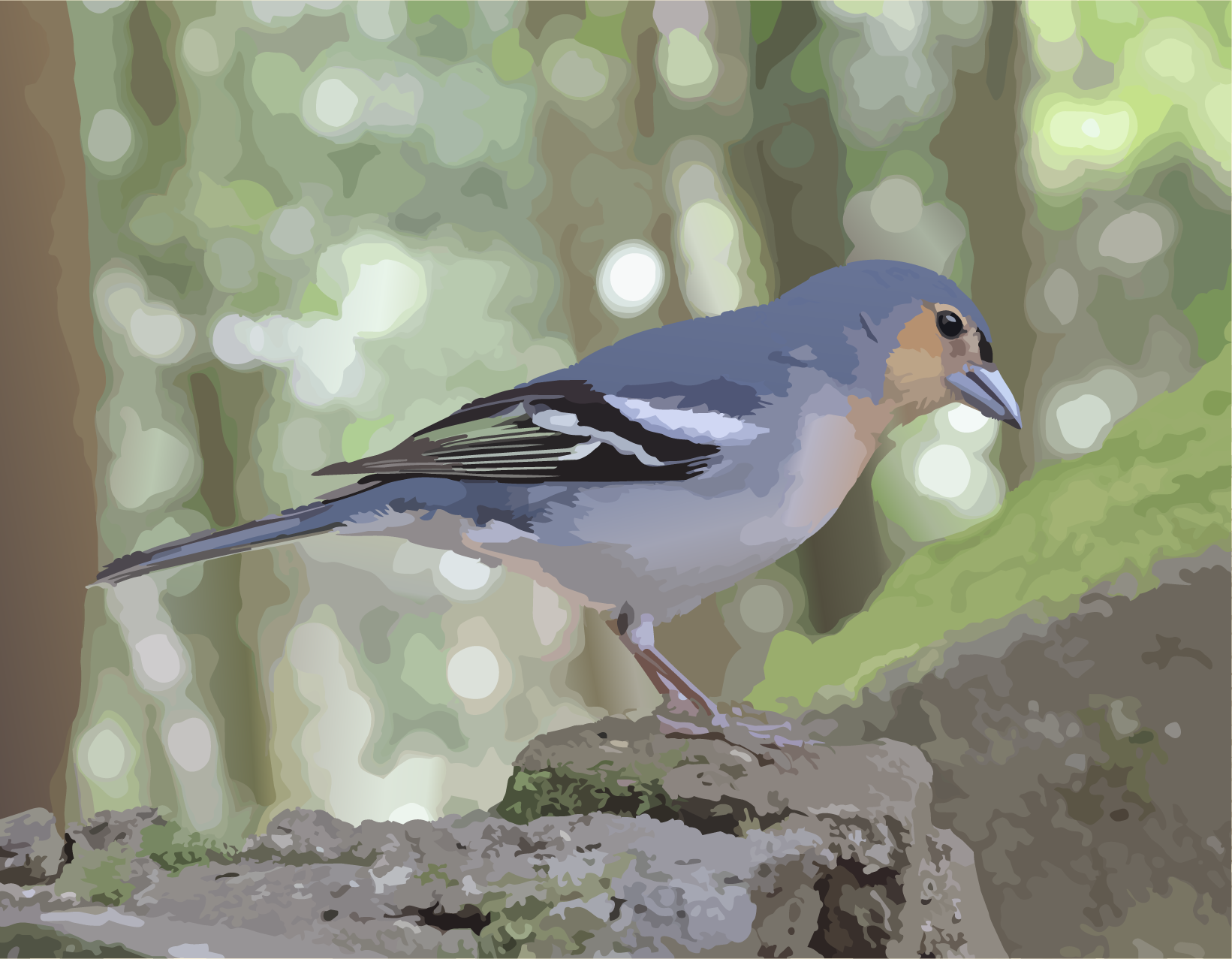
Island Wildlife.
Which habitats enable biodiversity - between forest, coast, and cultural landscape.
The European Galápagos
The wildlife of La Palma is quiet, unobtrusive and yet remarkably distinctive. Its richness is expressed not through spectacular numbers of large animals, but through finely tuned adaptations, endemism and ecological niches. On an island shaped by steep elevational gradients, diverse microclimates and long-standing isolation, a delicate yet resilient ecological balance has evolved.
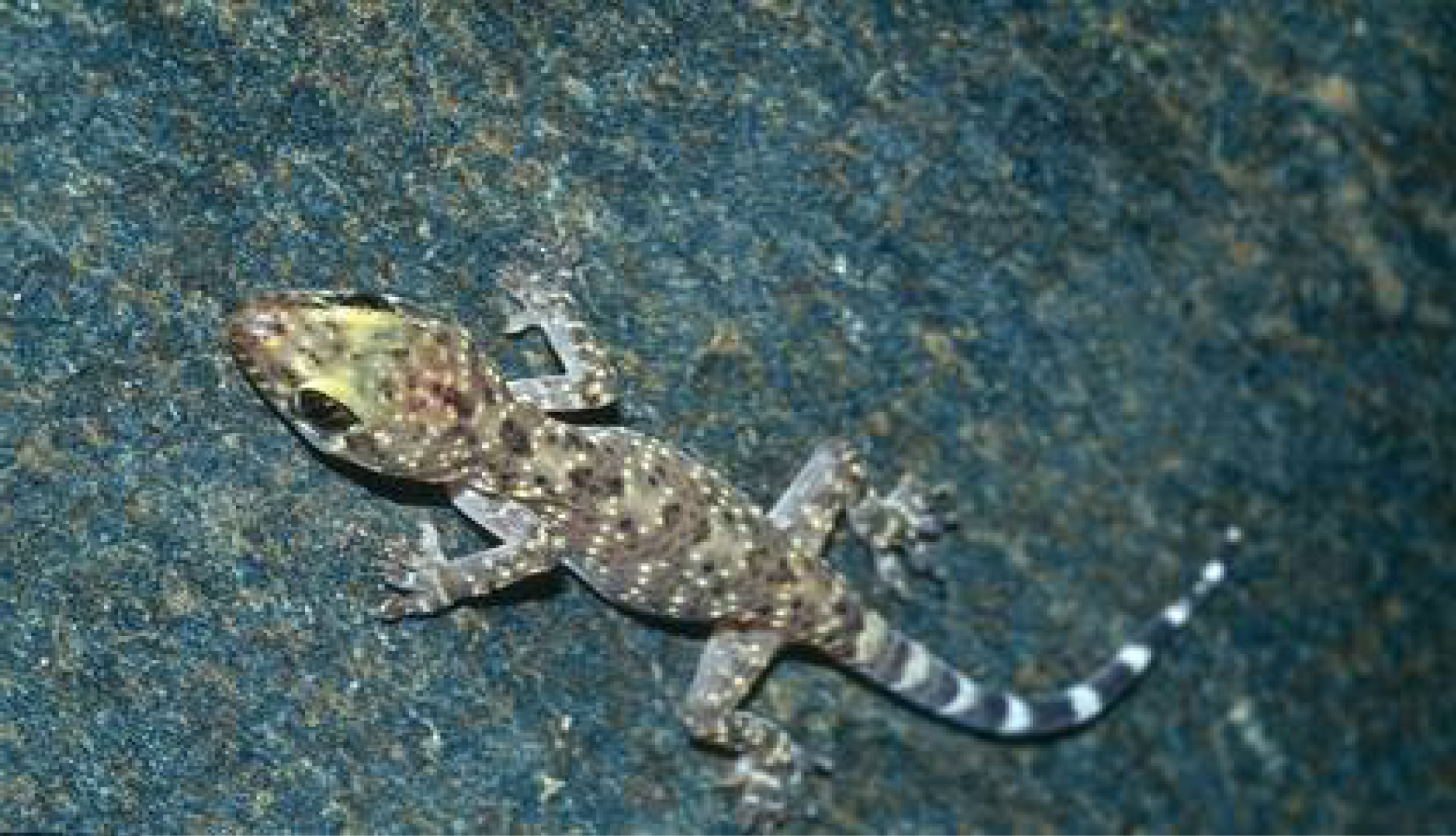
Many of the island’s animal species are small, inconspicuous and highly specialized. Insects, reptiles and birds form the backbone of its faunal diversity, often including species found only in the Canary Islands—or even exclusively on La Palma. Over long periods of isolation, evolution here has favored specialization rather than abundance.
Forest habitat on La Palma
Particularly striking is the limited presence of large native terrestrial mammals. Bats are among the few natural exceptions, while many other mammal species were introduced only after human settlement. As a result, the island’s original fauna appears relatively simple, yet at the same time clearly structured.
Birdlife plays a central role in the island’s ecological network. Species such as the La Palma chough are closely associated with specific habitats and are regarded as emblematic representatives of the island’s natural heritage. Coastal areas, forests and high mountain zones each provide distinct ornithological environments with clearly different species assemblages.
The marine world surrounding La Palma further enriches this picture. The Atlantic waters are home to dolphins and several species of whales that regularly pass the island or inhabit its surrounding seas. This connection between land and ocean illustrates that the island’s wildlife does not end at the shoreline, but extends into a broader, dynamic ecosystem.
The fauna of La Palma thus reveals itself as a quiet yet finely balanced system. It is the product of isolation, volcanic dynamism and climatic diversity—and for that very reason serves as a concentrated expression of the island itself: modest in diversity, yet exceptionally rich in adaptation.